
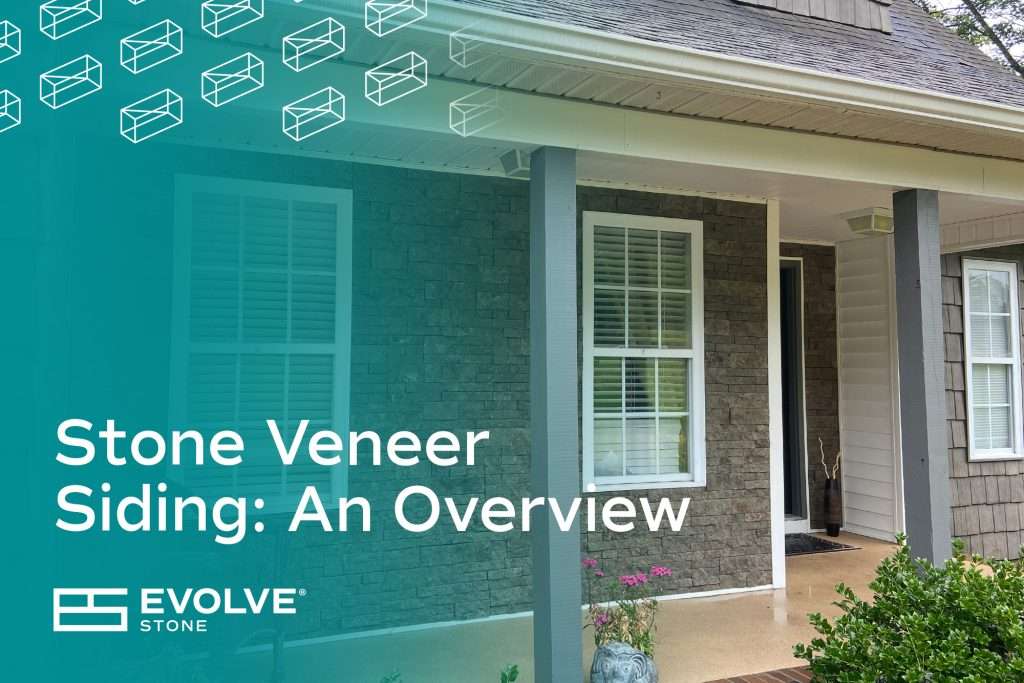
Introduction to Stone Veneer Siding
Stone veneer siding has become an increasingly popular choice for homeowners, builders, and architects looking to add the timeless beauty of stone to their projects—without the weight or cost of traditional masonry. This innovative building material mimics the look and feel of natural stone while offering a range of modern advantages. Whether you’re renovating a rustic fireplace or designing a sleek commercial facade, stone veneer siding provides the perfect blend of aesthetic appeal and practical functionality.
In this article, we’ll explore what stone veneer siding is, its benefits, the various types available, and how it’s used in both residential and commercial construction. We’ll also spotlight Evolve Stone, a cutting-edge brand redefining the standards for stone veneer products.
Benefits of Stone Veneer Siding
The benefits of stone veneer siding aren’t just about looks – it offers a host of functional benefits that make it a smart investment for any building project:
- Aesthetic Appeal: With a wide range of textures, colors, and patterns, stone veneer can complement almost any architectural style, from rustic to contemporary. It adds depth, character, and a high-end finish to any surface.
- Durability & Low Maintenance: Quality stone veneer is built to withstand the elements, resisting weather, pests, and wear over time. Unlike natural stone, it doesn’t require sealing or special maintenance.
- Lightweight & Cost-Effective: Because stone veneer is thinner and lighter than traditional stone, it’s easier and more affordable to transport and install—saving time and labor costs.
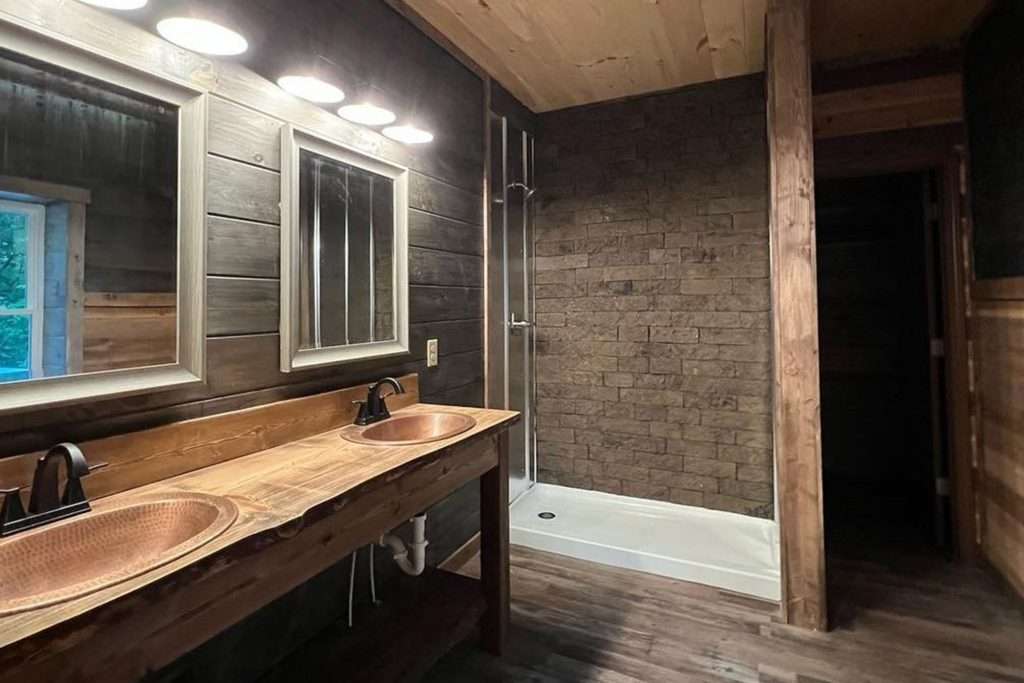
- Versatility in Application: From exteriors to interiors, siding to accent walls, stone veneer adapts to a wide range of design visions.
Types of Stone Veneer Siding
When choosing stone veneer siding, it’s important to understand the different types available:
- Natural Stone Veneer: Made from actual quarried stone, this option offers unmatched authenticity and durability but can be heavier and more costly.
- Manufactured Stone Veneer: Also known as faux or cultured stone, this is made from concrete molded to resemble real stone. It’s more affordable and lighter, making it easier to install.
- Mortarless Stone Veneer: A growing trend in the industry, mortarless veneer systems use interlocking panels that can be installed with screws or nails—no mortar required. This allows for faster, cleaner installations.
Evolve Stone leads the charge in this category, offering a revolutionary mortarless stone veneer product made from a proprietary composite material. Evolve Stone’s products combine the realism of stone with the ease of modern siding—lightweight, durable, and easy to install with standard tools. Check out our installation guide for more details.
Applications in Residential and Commercial Construction
Stone veneer siding is incredibly versatile and can be used in a wide variety of applications:
- Residential Exteriors: Enhance curb appeal with stunning exterior facades, entryways, columns, or chimney surrounds.
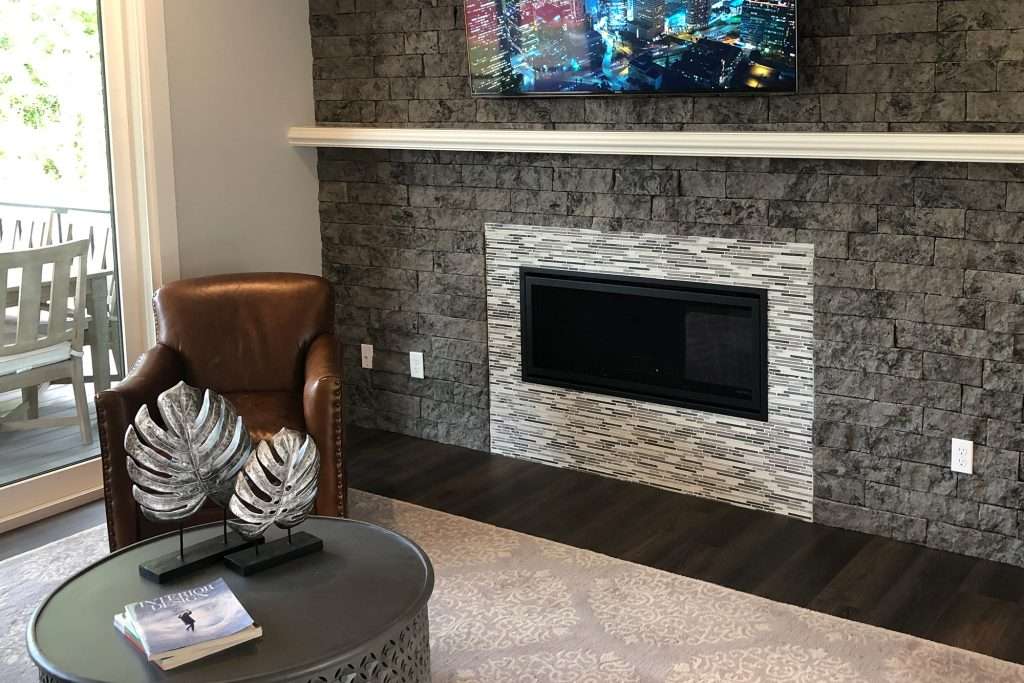
- Interior Accents: Create cozy fireplaces, dramatic accent walls, or rustic kitchen backsplashes using stone veneer inside the home.
- Commercial Buildings: Elevate retail storefronts, restaurants, office spaces, and hospitality venues with sophisticated, stone-clad surfaces that make a lasting impression.
- Renovation & Remodeling: Because it’s lightweight and easy to install, stone veneer is ideal for upgrading older structures without the need for extensive structural support.
With Evolve Stone’s innovative solutions, contractors and DIYers alike can take on stone veneer projects with greater ease, efficiency, and confidence.
Applications of Mortarless Stone Veneer in Home Design
Stone veneer is a versatile design element used in various home styles:
Traditional Styles: Stone veneer adds a classic, timeless look, complementing architectural styles like Colonial, Victorian, and Tudor. It mimics the appearance of solid stone, bringing a sense of history, craftsmanship, and enduring beauty to both exteriors and interiors like accent walls and fireplaces.
Contemporary Styles: Stone veneer integrates seamlessly with modern, minimalist designs, offering a sleek aesthetic. It provides texture and visual interest, contrasting with clean lines and open spaces. Manufactured stone veneer with its uniformity and precise craftsmanship is particularly well-suited for creating a balance of warmth and modernity.
Fusion of Styles: Stone veneer bridges traditional and contemporary aesthetics, allowing for personalized designs that blend elements from both. It can add contemporary flair to traditional settings or introduce heritage and warmth into modern spaces, resulting in unique and distinctive looks.
Maintenance and Care of Mortarless Stone Veneer
Proper maintenance and care are paramount to preserving the longevity and aesthetic appeal of your stone veneer. The basics are just that, basic, but they matter.
- Clean your stone veneer regularly using a soft brush and mild detergent. Avoid harsh cleaners that can damage the surface.
- Repair minor damages like cracks or chips with suitable patching compound. For significant damage, seek professional help.
- Inspect your veneer after extreme weather events. Address any issues immediately to prevent long-term damage and preserve your veneer’s appearance.

Cost Considerations
Stone veneer offers several cost advantages compared to full-thickness stone: reduced material expenses, lower transportation costs due to lighter weight, and faster installation requiring less skilled labor.
Maintenance costs are typically lower as stone veneer is less prone to damage, resulting in long-term savings.
Consider investing in quality products rather than cheaper options that may compromise durability. When budgeting, account for both material and labor costs.
Stone veneer projects generally provide good return on investment by enhancing property value and aesthetic appeal.
Choosing the Right Stone Veneer
Factors to Consider
Stone veneer provides a natural and timeless look. Consider these key factors when selecting the appropriate stone veneer:
- Type of stone: Natural options include granite, limestone, and slate, each with distinct colors, textures, and durability levels
- Color and style: Select veneers that complement or contrast with your existing color palette; match rustic, modern, or traditional styles to your overall design vision
- Texture and finish: Options range from smooth to rough textures and polished to natural finishes, impacting both tactile and visual elements
- Installation requirements: Consider whether the veneer is lightweight or requires additional structural support, and how this aligns with your budget, skills, and timeline
- Climate considerations: Ensure your chosen veneer can withstand local environmental conditions, as some stones are more prone to weathering
- Cost and budget: Factor in both material and installation costs when comparing options across the wide price range of available veneers
- Maintenance requirements: Some stones require sealing to protect against stains, while others are more low-maintenance; consider your willingness to commit to ongoing upkeep
Matching Veneer to Architecture
To achieve a cohesive and visually appealing result, it’s crucial to ensure that the chosen stone veneer complements the architectural style of your home or building. Here’s how to achieve this harmony:
- Architectural style: Identify the architectural style of your property, whether it’s Colonial, Victorian, Modern or another style. Research the typical stone veneer choices associated with that style and use them as a starting point for your selection.
- Consistency: Maintain consistency by selecting a stone veneer that aligns with the overall design elements of your property. Ensure that the veneer’s texture, color and pattern enhance the architectural features rather than clash with them.
- Sample and visualize: Obtain samples of different stone veneers and place them alongside your property’s existing elements to visualize how they will interact. This hands-on approach can help you make a more informed decision.
Color and Texture Selection
Selecting the right texture and color for stone veneer significantly impacts a space’s aesthetic appeal.
Texture Considerations:
- Smooth textures create contemporary, refined ambiance
- Rough textures establish rustic, natural feel
- Match texture to your overall design scheme
Color Considerations:
- Choose from diverse natural stone colors (earthy browns, grays, warm yellows, reds)
- Harmonize with existing color palette
- Account for how lighting affects color perception
- Create deliberate contrast to highlight features or harmony for cohesion
Test sample panels in your actual space before making final decisions to ensure the stone veneer achieves your desired effect with existing lighting and design elements.
Future Trends in Stone Veneer
As the world of architecture and design continues to evolve, so too does the realm of stone veneer. The future holds exciting developments that promise to enhance its versatility and impact. Here’s a glimpse into what lies ahead:
Advancements in Manufacturing
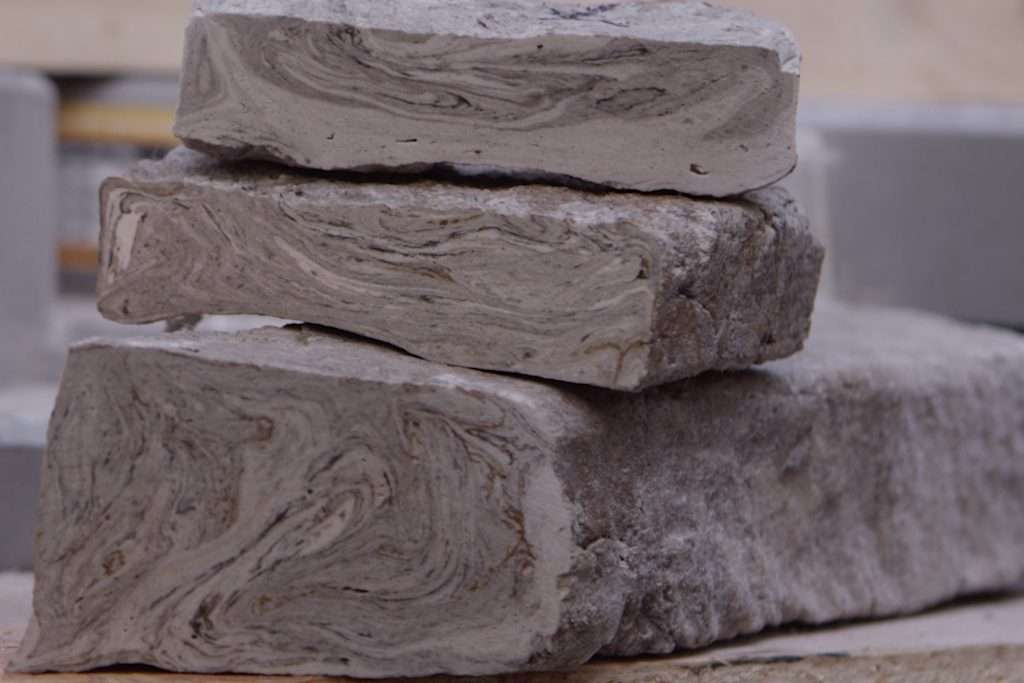
Ongoing advancements in manufacturing techniques are set to revolutionize the world of stone veneer. These innovations are expected to result in even more realistic and diverse options. Manufacturers are increasingly perfecting their processes to create veneers that mimic natural stone with astonishing accuracy. This means that homeowners and designers will have access to an even wider array of choices, with veneers that capture the unique beauty of various stone types.
Innovative Applications
Stone veneer’s versatility knows no bounds, and we can anticipate witnessing its use in groundbreaking and innovative ways. Designers and architects are constantly pushing the boundaries of what’s possible, using stone veneer to create extraordinary architectural marvels. Whether it’s integrating veneer into cutting-edge sustainable designs or exploring new construction techniques, the future of stone veneer promises to be a testament to human creativity and ingenuity.
With advancements in manufacturing and innovative applications, this versatile building material will continue to shape the landscapes of construction and design, offering even more options and pushing the boundaries of what can be achieved in architectural aesthetics.

Conclusion
Stone veneer siding offers the perfect combination of beauty, performance, and flexibility. Whether you’re designing a new home, upgrading a commercial property, or tackling a DIY renovation, stone veneer delivers stunning results without the drawbacks of traditional stone and can positively impact curb appeal and ROI on your home.
Ready to transform your next project with stone veneer siding? Explore the groundbreaking products from Evolve Stone – where innovation meets craftsmanship, and your vision becomes reality. Once you are ready to move forward on a project, you can Find a Pro near you.
FAQs
Stone veneer is a thin layer of stone, usually 1-2 inches thick, applied to a surface to replicate the appearance of natural stone. It can be made from natural stone or manufactured materials.
Stone veneer revolutionizes modern construction by offering a lightweight, cost-effective alternative to traditional stone, enhancing durability, insulation, and energy efficiency.
There are two main types: natural stone veneer, made from quarried stones, and manufactured stone veneer, a cost-effective alternative with lightweight aggregates, cement, and pigments.
Stone veneer offers aesthetic appeal, cost-effectiveness, durability, environmental sustainability, and design flexibility.
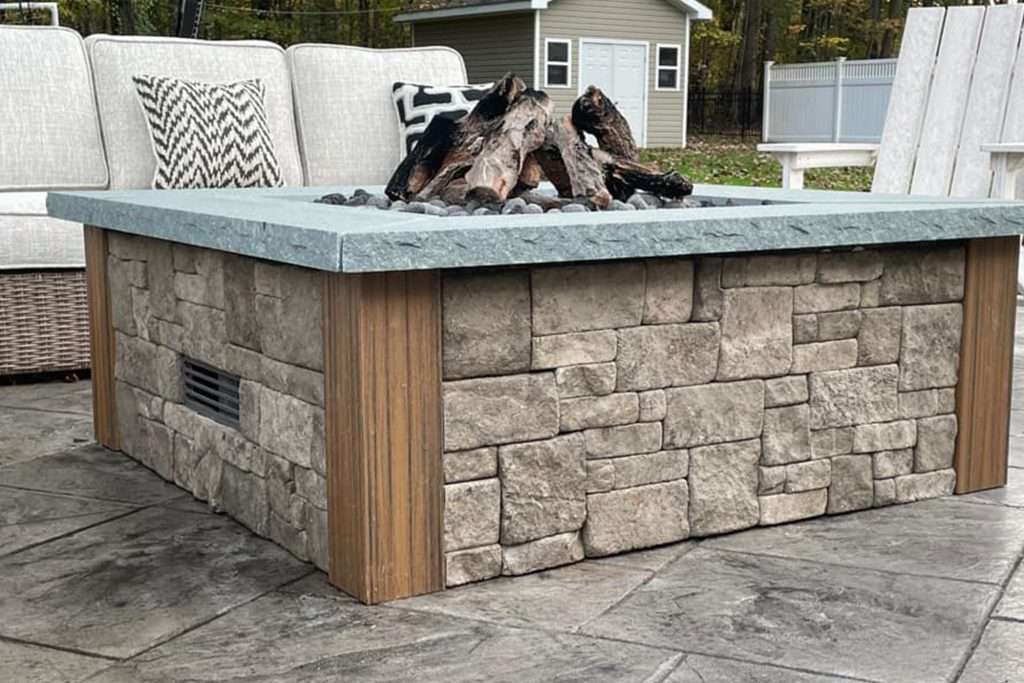
Stone veneer can enhance facades, construct retaining walls, and create outdoor fireplaces.
Stone veneer is used for accent walls, fireplaces, and kitchen backsplashes.
Stone veneer complements traditional styles like Colonial and Victorian by providing a classic and timeless appearance.
Stone veneer seamlessly integrates with contemporary styles, offering a sleek and modern aesthetic.