
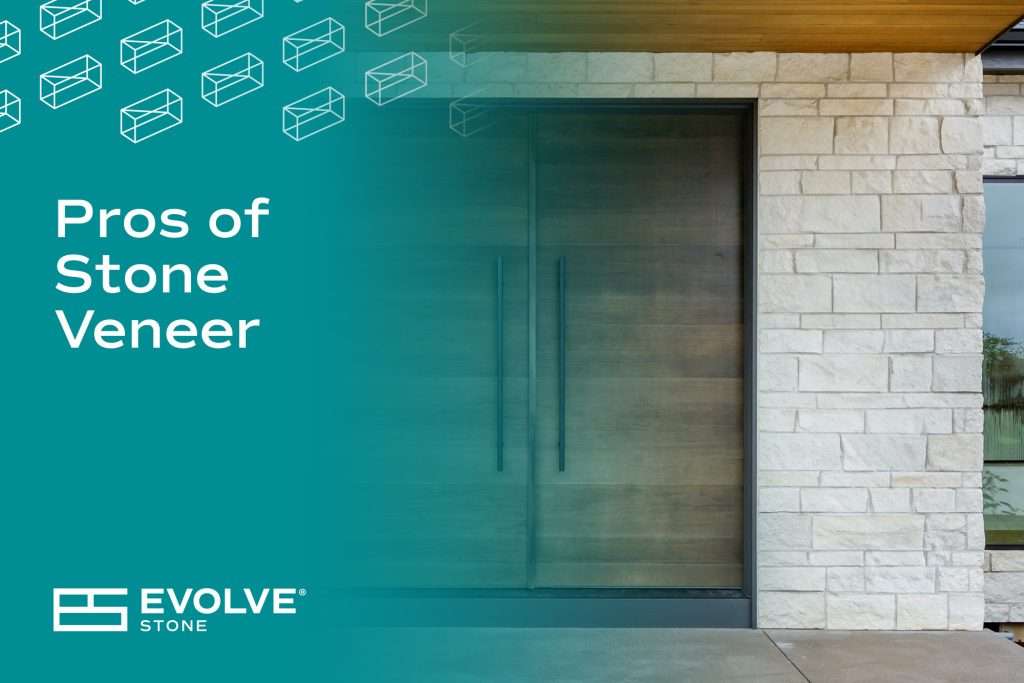
Stone veneer, a popular choice in both residential and commercial construction, offers a unique blend of aesthetic appeal and practical benefits. This guide explores the myriad advantages of incorporating stone veneer into your building projects, providing a deeper understanding of its rising popularity and inherent qualities.
Aesthetic Appeal
Stone veneer is not just a building material; it’s a transformative element that infuses elegance and character into any space it graces. This attribute makes it highly sought after for both interior and exterior applications, from commercial façades to cozy living room walls.
Stone veneer brings a touch of sophistication and timeless beauty to buildings, elevating the overall architectural aesthetic. Its versatility allows it to seamlessly integrate into various design styles, from rustic to contemporary, making it a favorite among architects and designers.
Versatility in Design
Stone veneer’s array of shapes, sizes and colors makes it an incredibly adaptable material. Whether you’re aiming for the rugged charm of a mountain lodge or the sleek ambiance of a modern cityscape, stone veneer can be tailored to meet these aesthetic demands.
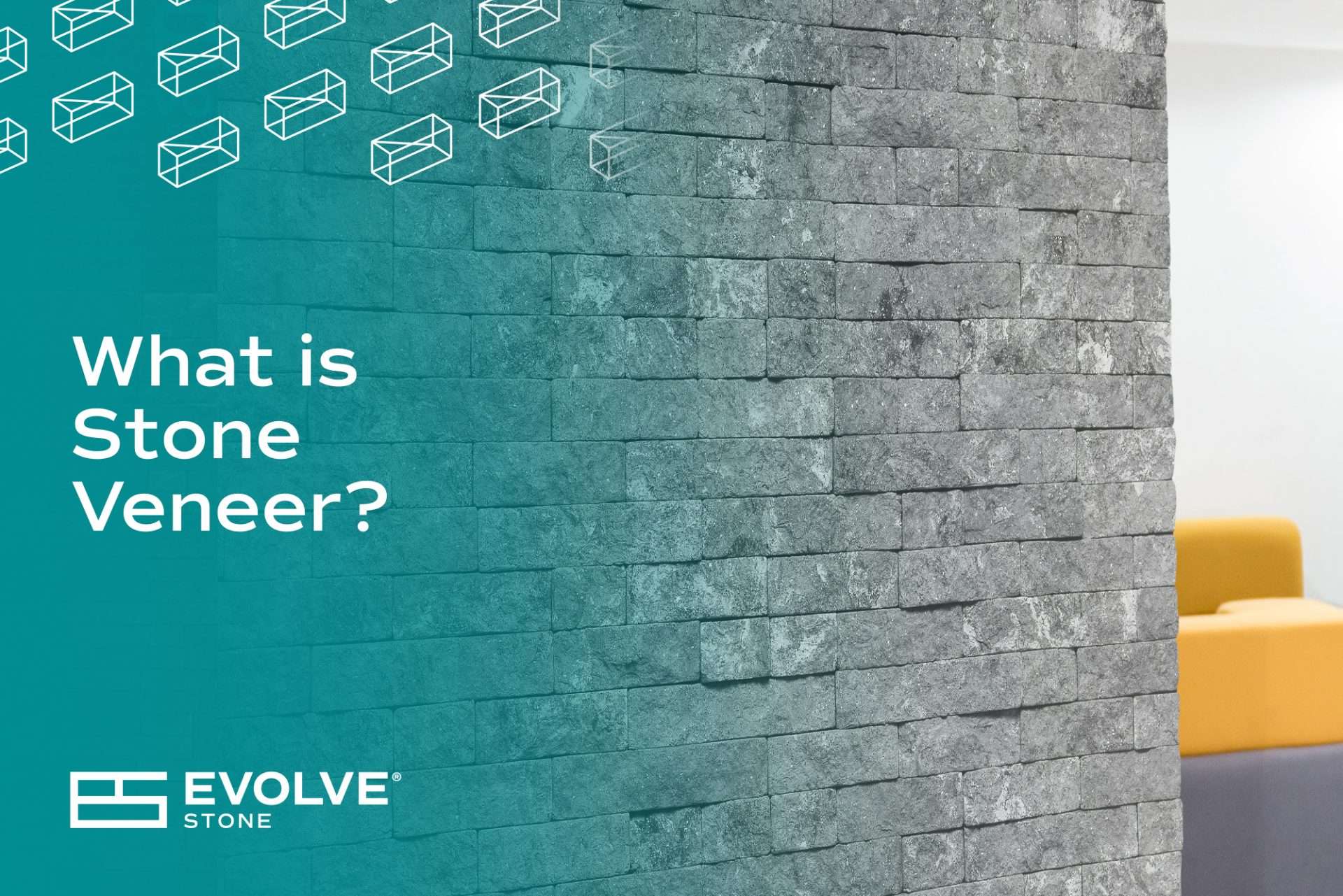
It can mimic the look of rare and expensive stones, providing a luxurious feel without the associated costs.
Texture and Depth
The textural depth that stone veneer adds to structures is profound. It can create a multi-dimensional façade that draws the eye and invites touch, enhancing the sensory experience of a building.
The shadows and highlights that play across the veneer’s surface throughout the day highlight architectural details, adding dynamic and engaging elements to the design.
Color and Light Interplay
With its natural color variations, stone veneer can harmonize with its surroundings or stand out as a focal point. The way light interacts with stone can dramatically alter the appearance and mood of a space. In sunlight, the colors and textures are vivid and lively, while under evening lighting, they become more subdued and elegant.
Incorporating stone veneer into a project not only enhances its beauty but also increases the property’s value by elevating its architectural quality and appeal. This makes it a compelling choice for anyone looking to enrich their building’s design while ensuring durability and sustainability.
Cost Efficiency
While natural stone is undeniably beautiful, it can be prohibitively expensive. Stone veneer offers a cost-effective alternative without sacrificing visual appeal.
While natural stone has been a favored building material for centuries due to its durability and timeless appearance, it often comes with a high price tag. This cost is not just limited to the purchase price but extends to transportation and installation, given its significant weight and the specialized labor required for handling.
Affordability
Stone veneer is a financially viable alternative by mimicking the aesthetic of natural stone at a fraction of the cost. Its accessibility in price points makes it a popular choice not just for large-scale projects but also for homeowners looking to enhance their property’s appeal without a hefty investment.
Manufactured stone veneer is lighter, which reduces shipping costs significantly. Additionally, the ease of installation—often manageable without the need for special masonry skills—further cuts down labor costs. This reduction in both material and labor expenses makes stone veneer a cost-effective solution for both new constructions and renovations.
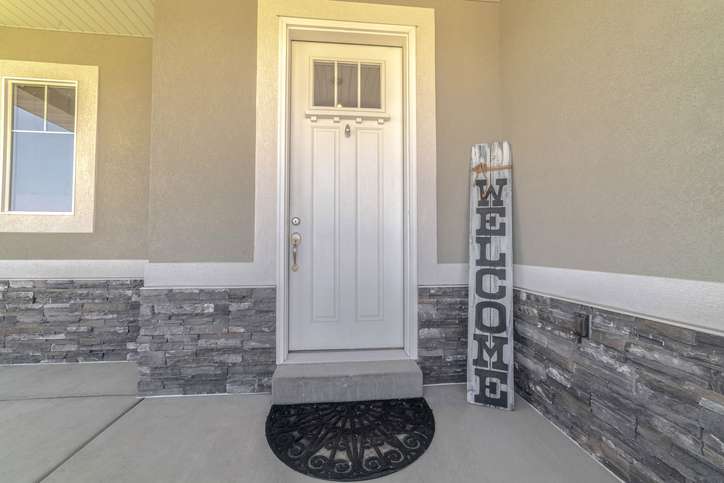
Beyond the direct savings in materials and installation, stone veneer also contributes to broader economic advantages. Its durability means fewer replacements and repairs over the life of the building, which translates into long-term savings and reduced waste.
The decreased need for heavy machinery and extensive labor during installation not only lowers project costs but also minimizes disruption to the surrounding area, making it a preferred choice in urban environments where space and time are at a premium.
This combination of immediate and ongoing financial benefits solidifies stone veneer as a smart economic choice for building projects aiming for both quality and cost-efficiency.
Durability and Maintenance
Stone veneer is engineered to withstand environmental elements and resist wear and tear, making it just as durable as its natural counterpart.
This resilience is a result of high-quality manufacturing processes that infuse the veneer with properties that can endure extreme weather conditions, temperature fluctuations and mechanical impacts. Its robust construction ensures that stone veneer maintains its aesthetic appeal and structural integrity over many years.

However, unlike natural stone, stone veneer often requires minimal maintenance, such as occasional cleaning and infrequent sealing, which reduces long-term care expenses. This low maintenance requirement is a significant advantage for both residential and commercial property owners, as it helps keep upkeep costs to a minimum.
Increased Property Value
Incorporating stone veneer can also increase the market value of a property. Its aesthetic appeal and modern appeal make it a desirable feature for potential buyers, potentially boosting resale value.
The investment in stone veneer pays off not just in reduced upkeep and utility costs but also in enhanced equity.
Stone veneer offers substantial financial advantages, from the initial purchase and installation to long-term savings in maintenance and energy costs. Its combination of beauty, durability and cost-effectiveness makes it an excellent choice for anyone looking to enhance their property value without breaking the bank.
Durability and Longevity
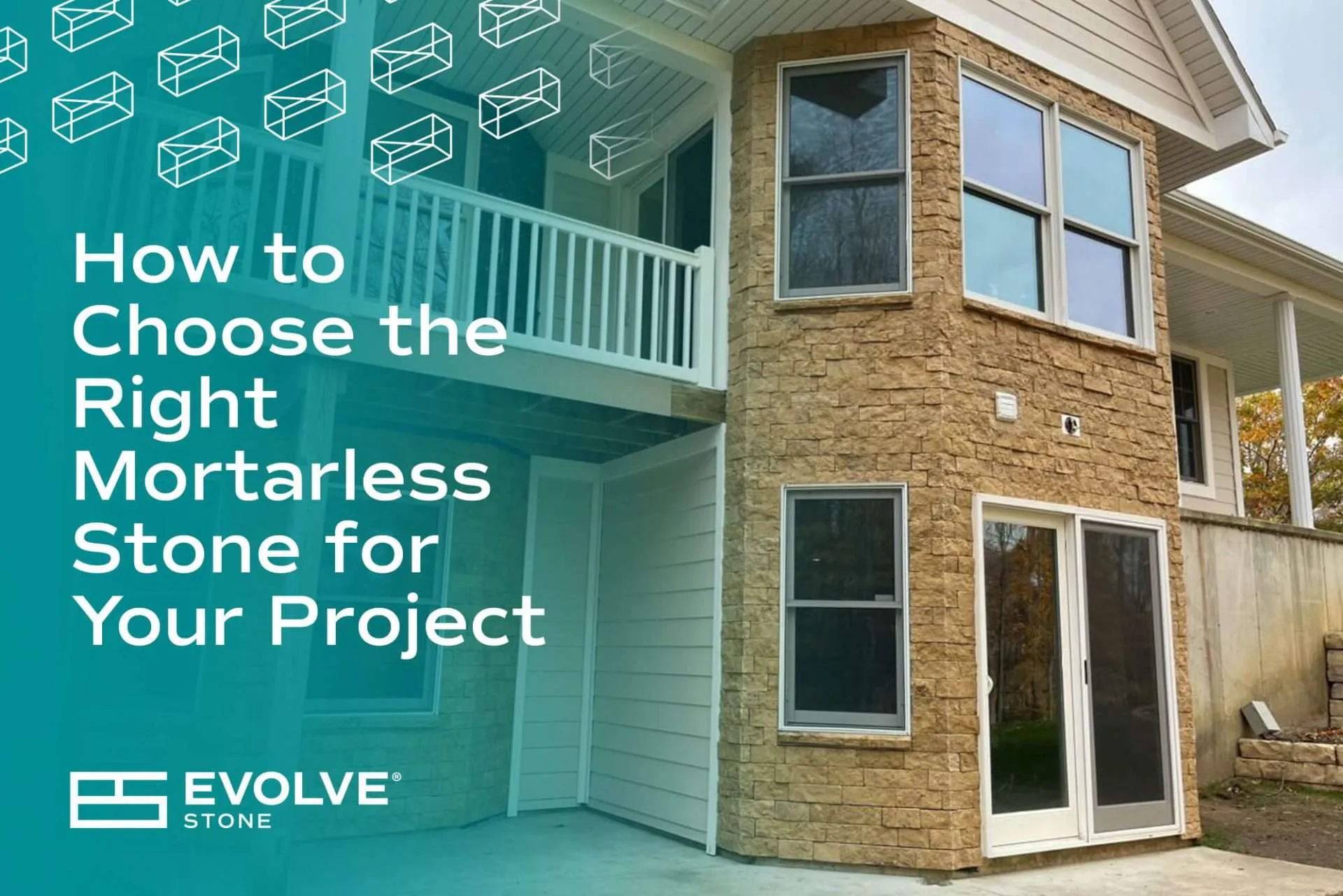
Stone veneer is engineered for resilience and longevity, making it an excellent choice for both residential and commercial exteriors. Its composition allows it to endure the rigors of severe weather, including extreme temperatures, humidity, rain and even UV exposure without losing its structural integrity or aesthetic appeal.
Weather Resistance
The manufacturing process of stone veneer often involves treatments that enhance its resistance to weather. These treatments help prevent fading, cracking and peeling, which are common in less durable materials exposed to the elements.
This makes stone veneer particularly suitable for climates that experience seasonal extremes.
Aging with Elegance
Unlike some building materials that deteriorate visibly over time, stone veneer ages gracefully. Its color and texture are designed to retain their depth and vibrance, contributing to a facade that remains appealing year after year.
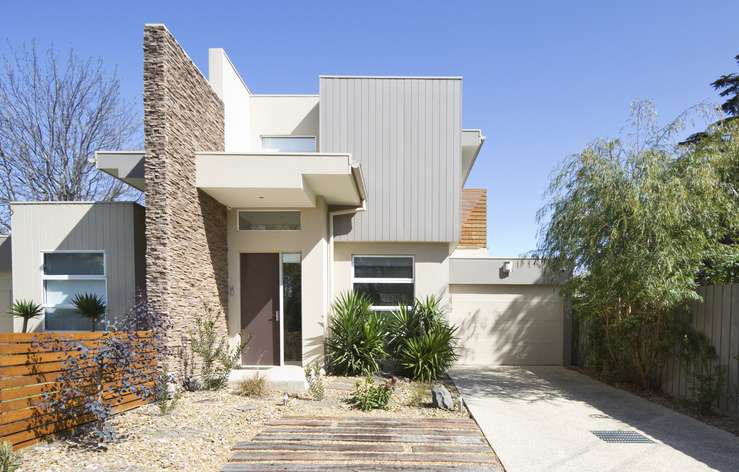
This enduring beauty is one of the key factors behind the popularity of stone veneer in building projects.
Low Maintenance Needs
Stone veneer requires minimal upkeep. Routine maintenance generally involves basic cleaning with soap and water to remove dirt and debris. Unlike wood, which may need regular staining or painting or stucco, which can require patching, stone veneer maintains its appearance without significant effort.
Mold and Decay Resistance
One of the notable advantages of stone veneer is its resistance to biological growths such as mold and mildew, which can compromise the structural integrity and aesthetic of other materials.
This resistance is especially important in humid or wet environments, making stone veneer a wise choice for areas prone to such conditions.
Cost-Effectiveness in Upkeep
The resistance of stone veneer to common forms of wear and decay translates into lower long-term costs for building owners.
Without the need for frequent repairs or replacements, the lifecycle cost of a stone veneer facade is often much lower than that of other materials, offering savings over the duration of its use.
Stone veneer’s combination of durability against time and weather, along with its low maintenance needs, make it an attractive option for anyone seeking a reliable and cost-effective material for their building’s exterior. Its ability to withstand environmental challenges while remaining visually appealing ensures that it remains a popular choice for both new construction and renovations.
Installation and Versatility
Stone veneer’s design is optimized for straightforward installation, which is a major advantage over heavier, traditional building materials. This ease is largely due to its lightweight nature and the development of innovative panel systems.
Lightweight Stones
Stone veneer products are exceptionally light, outperforming real stone not only in ease of transport and handling but also in the simplicity of the installation process.
This significant weight reduction means that stone veneer can be installed on nearly any surface without the need for additional structural support, streamlining the construction process and contributing to cost savings.
Simplified Installation Process
Modern stone veneer panels come equipped with interlocking features, making them easy to align and secure to any surface.
However, Evolve Stone makes installation even easier with its revolutionary installation technique. Unlike traditional stone veneer panels that rely on interlocking features, Evolve Stone is designed for individual placement with a standard finish nailer. This innovation eliminates the need for mortar and dramatically speeds up installation times, allowing projects to be completed with unprecedented efficiency.
This user-friendly setup allows for quicker installation, making it possible to complete projects in a fraction of the time required for traditional stone installations.
Reduced Equipment and Labor Costs
Because stone veneer is easier to handle and install, there is less need for heavy equipment and specialized labor, which are often significant expenses in construction projects using natural stone.
FAQs
Stone veneer is a construction material that mimics the appearance of natural stone but is lighter and often more cost-effective. It is used in both interior and exterior applications to enhance aesthetic appeal and architectural quality.
Stone veneer adds elegance, character, and a timeless beauty to buildings, making it highly versatile for various design styles from rustic to contemporary. It can significantly elevate the architectural aesthetics of a space.
Stone veneer is highly adaptable, available in an array of shapes, sizes, and colors. It can mimic the look of rare and expensive stones, fitting different aesthetic demands from rugged to sleek designs.
Stone veneer offers a luxurious feel without the high cost associated with natural stone. It reduces material and labor expenses due to its lighter weight and ease of installation, making it a financially viable alternative.
Stone veneer is engineered to withstand environmental elements such as extreme weather conditions, temperature fluctuations, and mechanical impacts. Its durability matches that of natural stone but with minimal maintenance needs.
Yes, incorporating stone veneer can enhance a property’s market value. Its aesthetic appeal and durability make it a desirable feature for potential buyers, potentially boosting resale value.
Stone veneer typically requires minimal maintenance, such as occasional cleaning with soap and water and infrequent sealing. This low maintenance need keeps upkeep costs low.