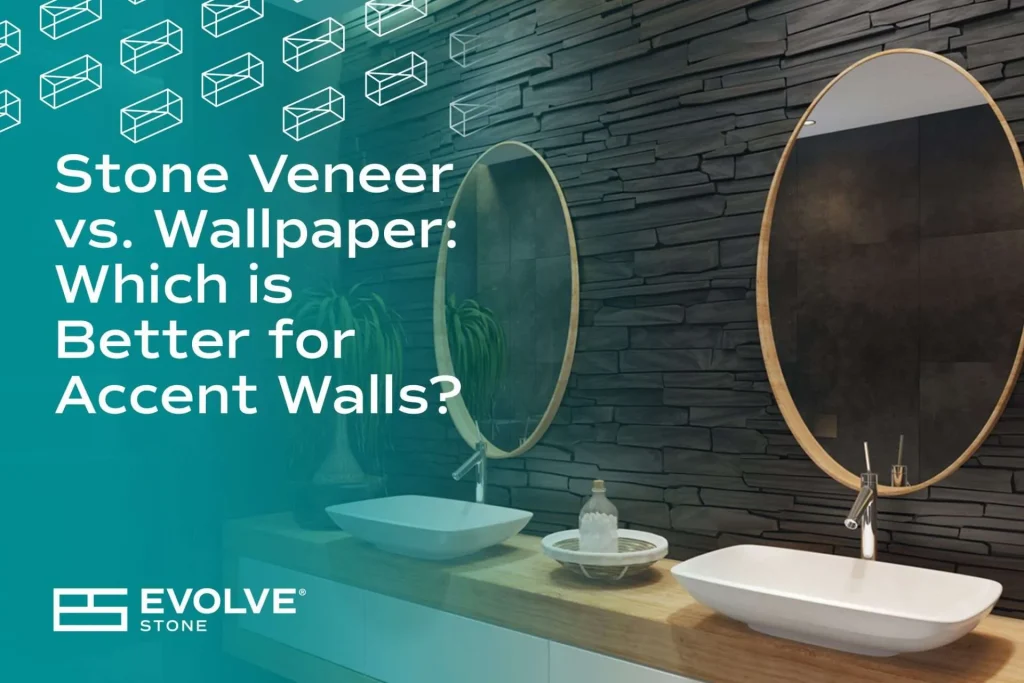
Accent walls can breathe new life and energy into any room, offering a focal point that enhances the overall design. But the question remains – should you opt for stone veneer or wallpaper? Today, we’ll explore the advantages and disadvantages of each, helping you decide which is best for your home.
Accent walls are a popular trend in interior design, and for good reason. They offer a unique way to add personality, depth, and contrast to your living spaces.
By highlighting a single wall with a different material or color, you can create a dynamic visual impact that draws attention and enhances the ambiance of the room. Whether you’re looking to make a bold statement or add a subtle touch of elegance, accent walls are a versatile and effective design choice.
Stone Veneer Pros and Cons
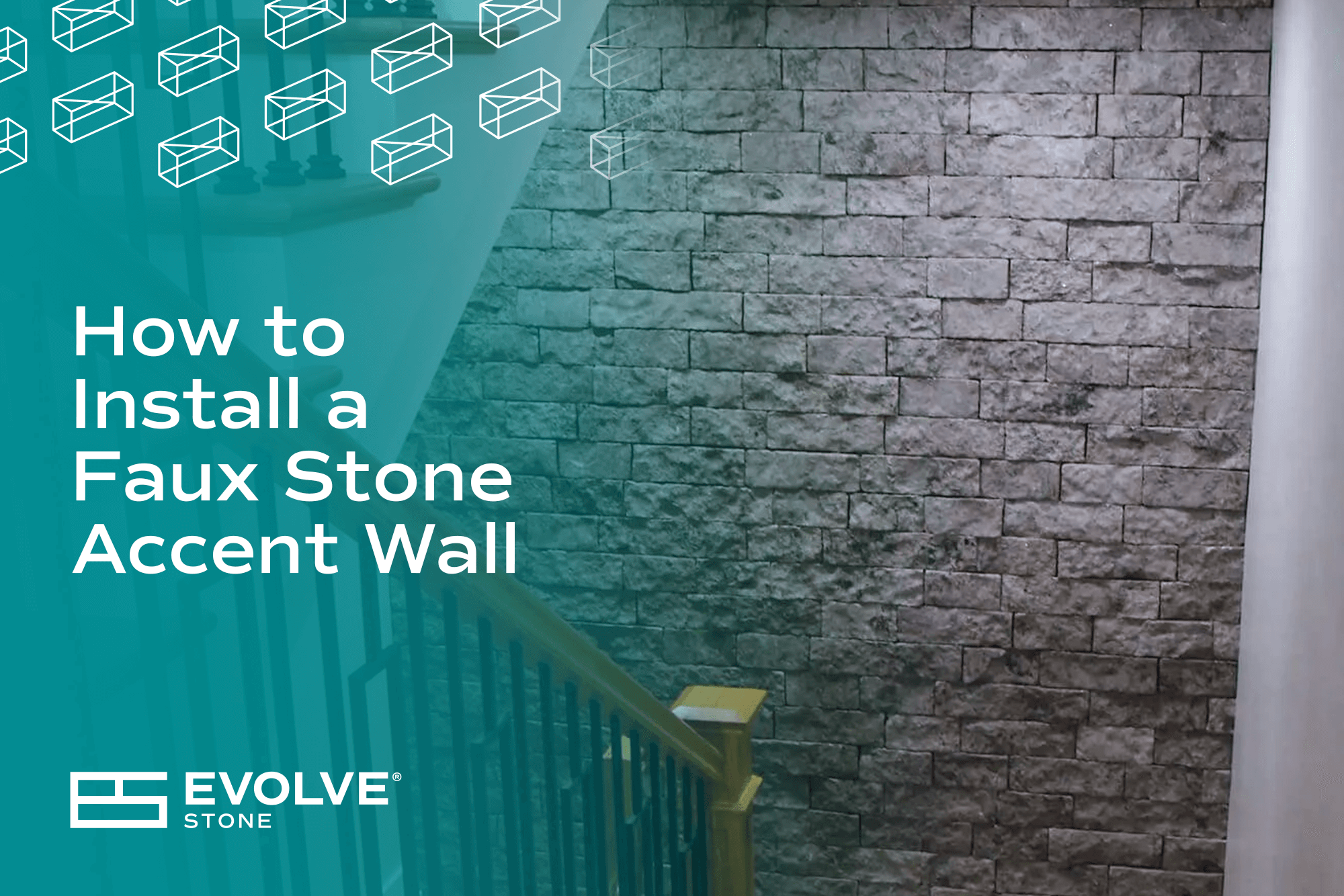
What is Stone Veneer?
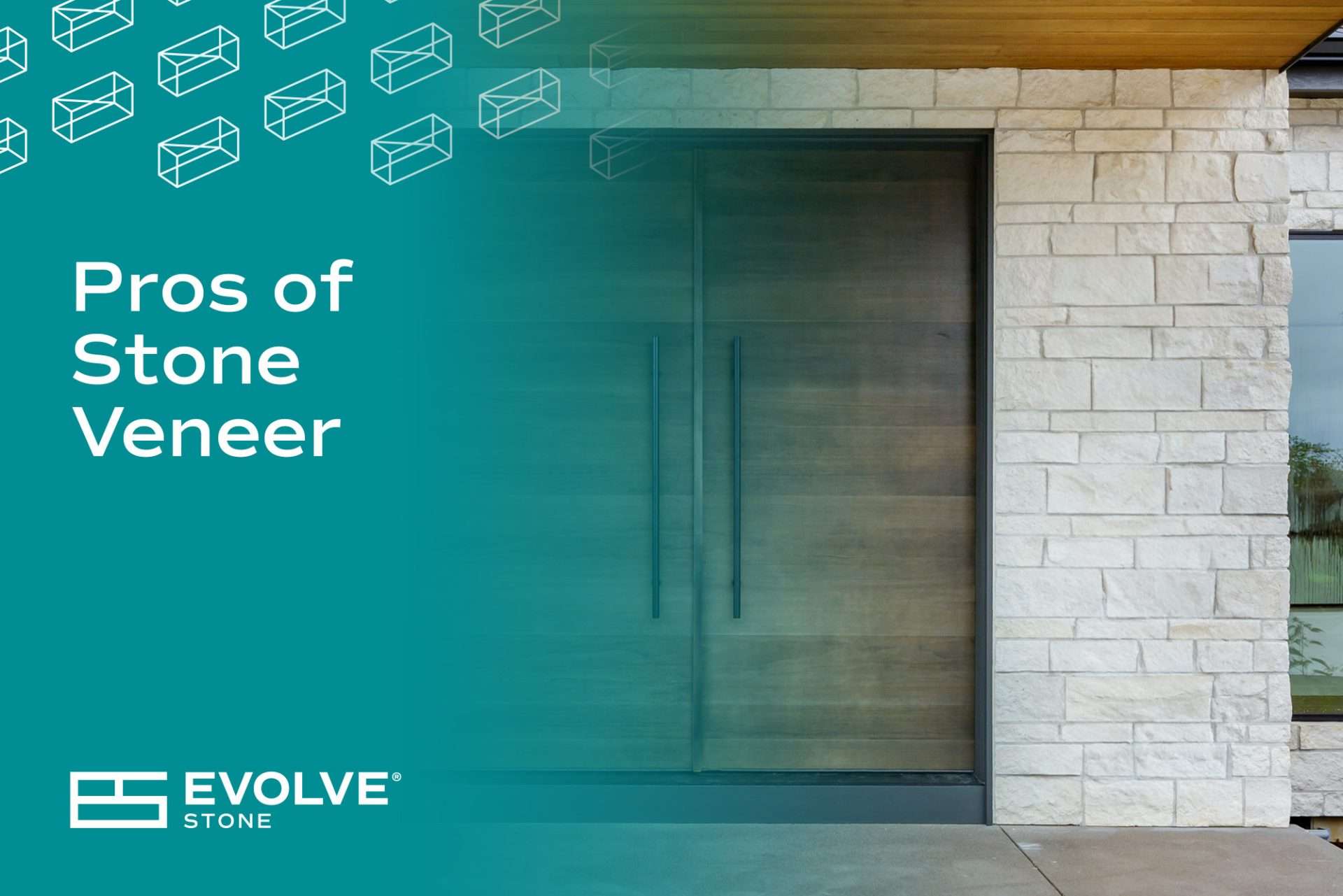
Stone veneer is a thin layer of manufactured or natural stone applied to a surface, giving the appearance of a solid stone wall. It’s a popular choice for both interior and exterior applications due to its aesthetic appeal and durability.
Pros of Stone Veneer
- Aesthetic Appeal:
Stone veneer offers a timeless and sophisticated look, adding texture and depth to any room. Its natural appearance can complement various design styles, from rustic to contemporary.
- Durability:
Stone veneer is incredibly durable and resistant to wear and tear. It can withstand impacts and is less likely to suffer damage compared to other materials.
- Easy Installation:
Unlike traditional stone, stone veneer is lightweight and easier to install. Brands like Evolve Stone have even developed mortarless options that can be installed with finish nails, significantly reducing installation time.
Cons of Stone Veneer
- Cost:
While more affordable than solid stone, stone veneer can still be relatively expensive compared to other wall coverings like wallpaper.
- Maintenance:
Although durable, stone veneer may require occasional maintenance to keep it looking its best. Cleaning and sealing might be necessary to prevent stains and maintain its appearance.
- Installation Challenges:
Despite being easier to install than solid stone, stone veneer still requires some level of expertise. Improper installation can lead to issues like moisture retention and structural problems.
Wallpaper Pros and Cons
What is Wallpaper?
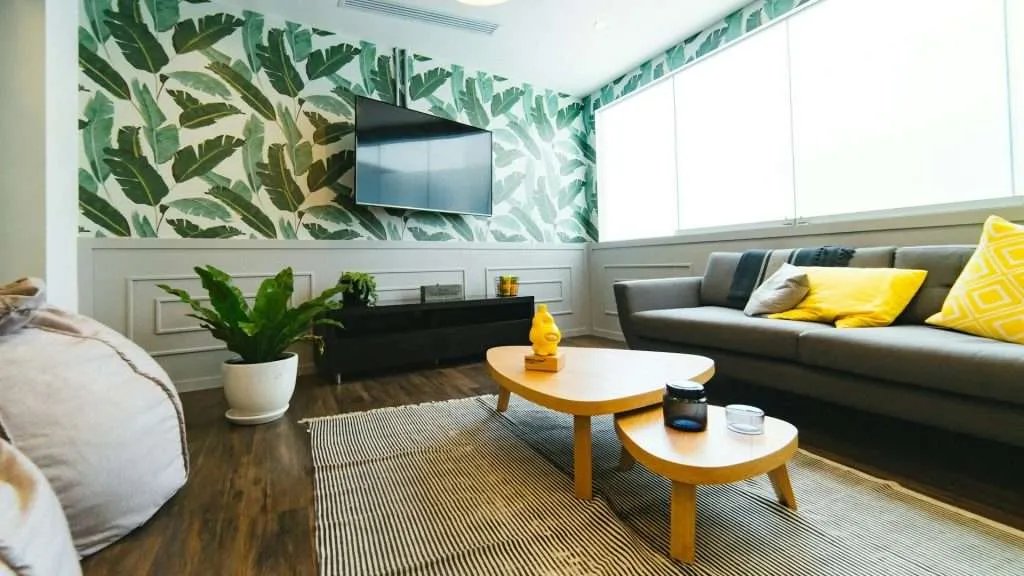
Wallpaper is a decorative paper or vinyl material applied to walls to add color, pattern, and texture. It comes in a wide variety of designs, making it a versatile option for accent walls.
Pros of Wallpaper
- Variety of Designs:
Wallpaper offers an extensive range of patterns, colors, and textures, allowing homeowners to achieve virtually any look they desire. From floral prints to geometric patterns, the options are endless.
- Ease of Installation:
Installing wallpaper can be a relatively simple DIY project. With the right tools and preparation, homeowners can quickly transform a room without professional help.
- Affordability:
Compared to materials like stone veneer, wallpaper is often more budget-friendly. It provides a cost-effective way to update the look of a room without breaking the bank.
Cons of Wallpaper
- Durability:
Wallpaper is less durable than stone veneer and can be prone to damage from moisture, scratches, and peeling. It may need to be replaced more frequently.
- Maintenance:
Depending on the type of wallpaper, cleaning and maintenance can be challenging. Vinyl wallpapers are more washable, but traditional paper wallpapers can be delicate and difficult to clean.
- Potential Issues:
If not applied correctly, wallpaper can develop bubbles, seams, and wrinkles. It may also be challenging to remove, especially if adhesive residue remains on the wall.
Comparing Stone Veneer and Wallpaper
Cost
- Stone Veneer:
The initial cost of stone veneer is higher due to both the cost of materials and the complexity of installation, which often requires professional help. Despite the steep upfront investment, its durability and classic aesthetic can make it a worthwhile long-term investment, potentially increasing property value.
- Wallpaper:
Wallpaper is generally more affordable upfront, making it an attractive option for budget-conscious homeowners. However, it may need to be replaced more frequently due to fading, tearing, or peeling, which can lead to higher long-term costs if repeated updates are necessary.
Ease of Installation
- Stone Veneer:
While stone veneer is easier to install than traditional solid stone, it still requires a certain level of expertise to achieve a professional finish. Innovations such as Evolve Stone’s mortarless veneer have simplified the process significantly, allowing for quicker and easier installation without the need for mortar, which can be a time-consuming aspect of the installation process.
- Wallpaper:
Wallpaper is a popular choice for DIY enthusiasts, thanks to its straightforward installation process. However, achieving a flawless finish can be challenging and requires careful wall preparation and precise application technique. The removal process can also be labor-intensive, especially for older wallpaper that has been adhered for many years.
Durability
- Stone Veneer:
Highly regarded for its durability, stone veneer is capable of withstanding significant wear and tear, which makes it particularly suitable for high-traffic areas like entryways and hallways. Its ability to resist chipping, cracking, and other forms of damage makes it a low-maintenance option compared to other wall treatments.
- Wallpaper:
Wallpaper is generally less durable and more susceptible to damage from moisture, scratches, and general wear and tear. While vinyl options offer improved durability over paper-based wallpaper, they still don’t match the resilience of stone veneer. In humid environments, wallpaper can be prone to peeling and may require frequent maintenance or replacement.
Customization
- Stone Veneer:
Stone veneer provides a natural and timeless look, with options to customize colors, textures, and shapes to suit various architectural styles. However, the range of available designs is more limited compared to wallpaper, which can restrict some creative possibilities.
- Wallpaper:
Wallpaper excels in customization, offering an extensive variety of colors, patterns, and textures that cater to virtually any design vision, from modern to traditional. This versatility allows homeowners to easily update the look of a room to reflect current trends or personal preferences, offering a level of aesthetic flexibility that stone veneer cannot match.
Choosing the Right Material for Your Home
Personal Preferences
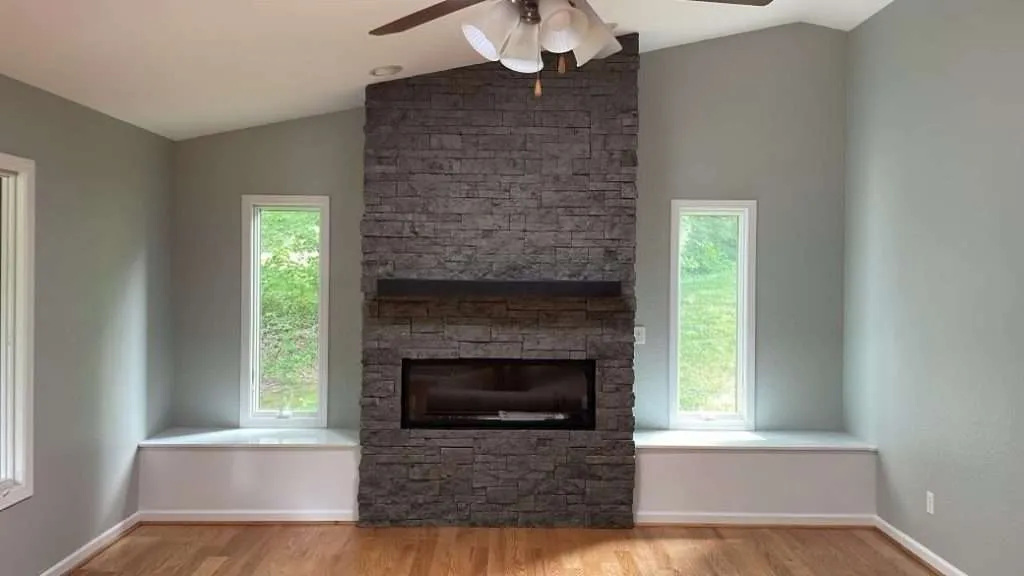
Consider your style and the overall aesthetic you want to achieve. Stone veneer offers a natural and timeless look, perfect for creating a warm and inviting atmosphere. It mimics the appearance of real stone without the weight, making it ideal for accent walls or fireplaces.
On the other hand, wallpaper provides endless design possibilities, ranging from bold patterns and vibrant colors to subtle textures and classic motifs. This versatility allows you to personalize your space and easily update it as trends change.
Lifestyle and Maintenance
Think about your lifestyle and how much maintenance you’re willing to commit to. Stone veneer is known for its durability and requires minimal upkeep, making it a practical choice for busy households. It’s resistant to wear and tear, meaning it will maintain its appearance for years with little effort.
In contrast, wallpaper may need more frequent replacement and careful cleaning, especially in high-traffic areas or homes with children and pets. However, modern wallpapers come with improved materials that can be washable and more durable than traditional options.
Budget
Evaluate your budget for the project. While stone veneer involves a higher upfront cost due to materials and installation, its longevity can make it a cost-effective choice in the long run. It adds value to your home and can withstand the test of time without needing frequent updates.
Wallpaper is more affordable initially, offering a budget-friendly option for those looking to refresh their space. Keep in mind, though, that it may incur additional expenses if you decide to change the design frequently or need to replace it due to wear. Consider these financial aspects carefully to make an informed decision that aligns with your goals.

Choosing between stone veneer and wallpaper for your accent walls depends on various factors, including your style, budget, and maintenance preferences. Stone veneer offers durability, aesthetic appeal, and a timeless look. On the other hand, wallpaper provides versatility, ease of installation, and cost-effectiveness.
Ultimately, the best choice for your home will reflect your unique needs and design vision. Explore the options, consider the pros and cons, and select the material that aligns with your goals. Don’t hesitate to share your experiences or ask questions in the comments—your insights can help others make informed decisions.
For more home design tips and inspiration, explore our other articles or follow us on social media!
FAQs
Stone veneer offers numerous advantages, including enhanced durability, aesthetics, and minimal maintenance. It is resistant to chipping and cracking, making it an ideal choice for areas with high foot traffic.
Yes, stone veneer is highly suitable for outdoor use. Its resilience against weather conditions ensures that it maintains its appearance and structural integrity over time, making it a popular choice for exterior facades and landscaping projects.
Installing stone veneer requires a clean, stable surface and can be done using mortar or adhesive techniques. It’s recommended to hire a professional to ensure a flawless finish and long-lasting durability.
While not commonly practice, painting or staining stone veneer is possible. However, it’s crucial to consult with the manufacturer regarding compatible products to preserve the veneer’s texture and structural properties.
Sealing stone veneer is not usually necessary due to its inherent durability, but applying a sealant can enhance its resistance to stains and moisture. It’s advisable to follow manufacturer guidelines on sealant compatibility.