
Stone has long been the literal foundation of architecture. From the rugged castles of Europe to the sturdy farmhouses of the American East, stone conveys a sense of permanence, texture, and prestige. Today, manufactured stone veneer has made this timeless look more accessible than ever. However, the sheer variety of options—ranging from jagged, earth-toned ledgestone to smooth, monochromatic blocks—can be overwhelming.
Choosing the right stone veneer is about more than just picking a color you like; it’s about honoring the “bones” of your home. Whether you are a homeowner looking to boost curb appeal or a professional designer aiming for architectural consistency, understanding how to match stone veneer styles to specific architectural movements is the key to a cohesive design.
In this guide, we will explore how to select profiles and colorways for four iconic styles: Craftsman, Modern, Farmhouse, and Mountain, while touching on the critical finishing touches like trim and lighting.
The Craftsman Style: Texture and Earthiness
Craftsman homes are defined by their “honest” use of materials—wood, stone, and brick. This style values hand-crafted details, deep porches, and tapered columns that feel rooted to the earth.
Profile Selection
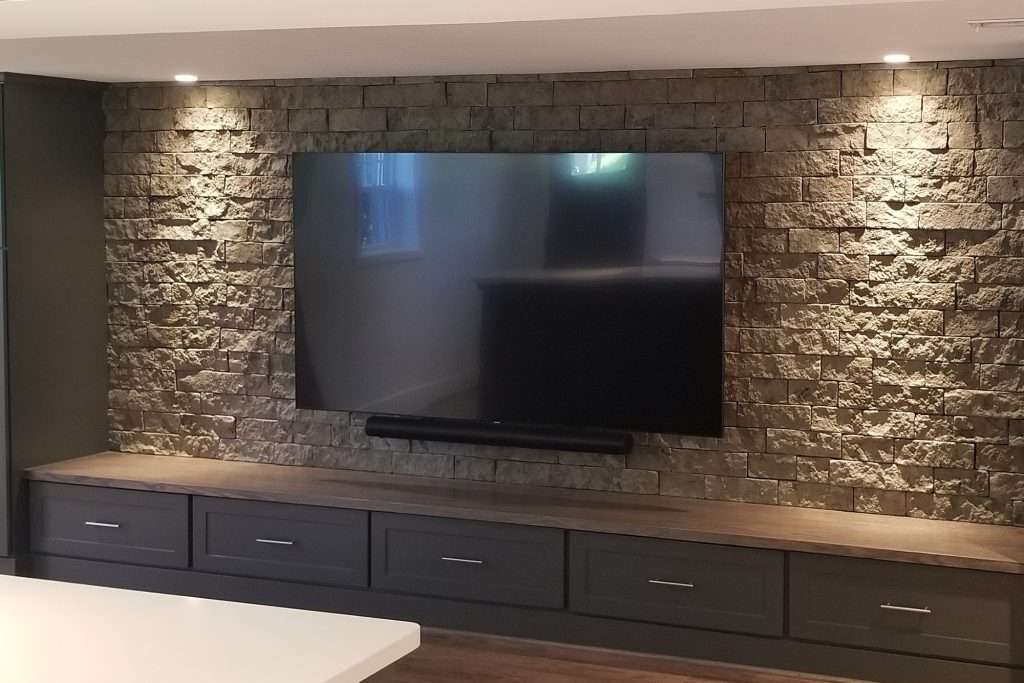
overwhelming the architectural lines. Instead of loose, rounded stones, look for defined horizontal texture. Evolve Stone’s National True or District View profiles are ideal here; while they offer the organic look of stacked stone, their uniform heights create clean, continuous shadow lines that complement the tapered columns and low-slung rooflines typical of the Craftsman aesthetic.
Trim Details
Craftsman style relies heavily on thick, functional trim. Ensure your stone veneer is paired with substantial stone sills or wide wood casings. Because Evolve Stone is easily workable with standard tools, you can achieve a tight, professional fit against these heavy trim elements, reinforcing the “built-to-last” Craftsman philosophy.
Modern & Contemporary: Clean Lines and Contrast
Modern architecture is the antithesis of the Craftsman style. It values minimalism, geometry, and a “less is more” philosophy. Here, stone is often used as a focal point or a texture-heavy accent against smooth surfaces like glass or metal.
Profile Selection
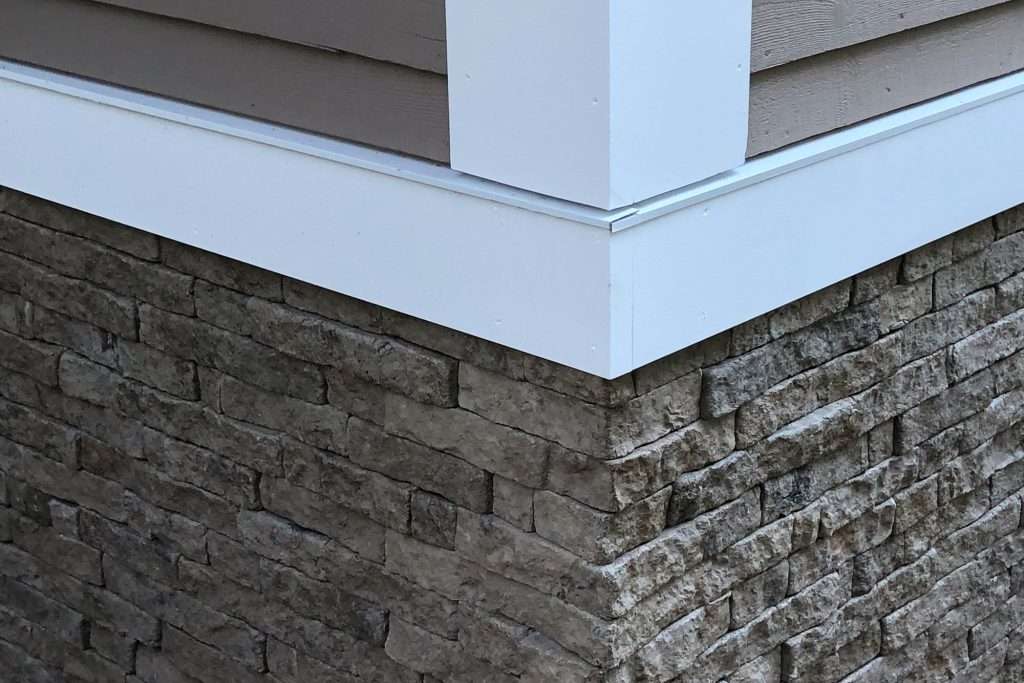
In modern design, horizontal lines are king. Stacked stone or Linear profiles are the go-to choices. You want stones that are uniform in height but vary slightly in depth to create a subtle shadow play without appearing “busy.” Evolve Stone’s National True, District View, or Monument Gate provide that sleek, tight-fit appearance that complements flat rooflines and large windows.
Colorways
Modern palettes tend toward the extremes: stark whites, deep charcoals, or cool greys. A monochromatic approach—where the mortar (if used) matches the stone—creates a “monolithic” look that is highly sought after in contemporary residential design. Both Capital Sky and Georgetown Run offer great color options, with Phantom Shadow and River Clay both offering a gray shade that will provide both texture and colors that complement a modern or contemporary home design. Monument Gate’s Winter Valley also provides a lighter color option.
Lighting
Modern stone benefits immensely from grazing light. By placing recessed LED fixtures in the ground or under the eaves to shine directly up or down the stone surface, you emphasize the texture of the veneer, turning a flat wall into a work of architectural art.
The Modern Farmhouse: The Art of Balance
The Farmhouse style—specifically the “Modern Farmhouse” popularized in recent years—relies on a high-contrast mix of rustic and refined. It usually features white board-and-batten siding, black window frames, and reclaimed wood accents.
Profile Selection
The stone in a farmhouse design should look “structural.” Ledgestone is a classic choice here, and District View is a great style choice. It provides a rugged texture that prevents the house from looking too “sterile” or modern. It’s often used on chimney stacks or the foundation skirt to give the home a rooted, historic feel.
Colorways
To achieve the iconic farmhouse look, look for “greige” or “oyster” tones. You want a stone that features a mix of light greys and warm creams. This allows the stone to pop against black metal accents while still harmonizing with white siding. Evolve Stone’s Morning Aspen colorway is a quintessential fit for this aesthetic.
Trim Details
Avoid overly ornate trim. Simple, wide-plank white or black trim provides a crisp border for the stone, allowing the texture of the veneer to be the star of the show.
Mountain & Rustic: Rugged and Robust
Mountain architecture is designed to compete with—and complement—majestic natural surroundings. These homes are often large-scale, featuring heavy timber beams and massive glass panes to take in views.
Profile Selection
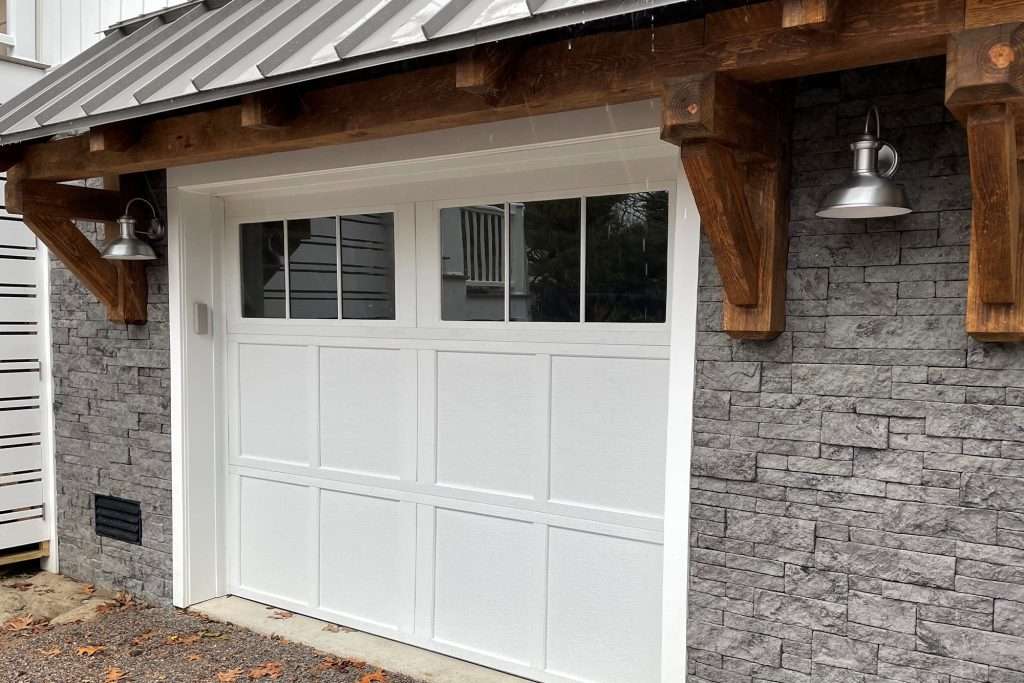
Small, delicate stones will get “lost” on a mountain home. You need a profile with a heavy “face” and significant depth. Large-format fieldstones or thick-cut ledgestones are ideal. The goal is to make the home look as though it grew out of the mountainside. Capital Sky’s natural surface textures and varied stone depths will help blend the architecture into its natural surroundings.
Colorways
Deep, moody colors are the standard. Look for palettes that include charcoals, slate greys, and deep browns. These hues mimic the rocky outcroppings found at high altitudes and help the structure blend into the forest or ridgeline. Kodiak Mine, Morning Aspen and Phantom Shadow would be great option to completing your rugged mountain home aesthetic.
Lighting
Lighting is the “secret sauce” of stone design.
- Wash Lighting: Broad beams of light that soften the texture—ideal for subtle, elegant profiles.
- Spotlighting: Used to highlight specific architectural features like a stone-clad pillar or an entryway arch.
Why Evolve Stone?
When matching stone to architectural styles, the ease of installation is a major factor. Evolve Stone is the world’s first stone veneer that can be face-nailed. This means for styles requiring intricate trim work—like Craftsman or Farmhouse—the stone can be cut and fit with standard woodworking tools. You don’t need specialized masonry equipment to achieve a high-end, architecturally accurate look.
Final Thoughts
Matching stone veneer to your home’s architectural style is a balancing act between profile selection and colorways. By choosing a profile that honors the history of the architecture and a color that complements the modern landscape, you create a home that feels both timeless and intentional.
Whether you’re leaning into the sleek lines of modern design or the rugged charm of a mountain retreat, remember: the stone sets the tone. Choose wisely, and your home will tell a story of style and permanence for decades to come.
FAQs
Start by matching the stone’s profile and color to your home’s design. For example, Craftsman homes benefit from earthy tones and structured profiles, while modern homes use clean lines and monochromatic colors.
Modern homes typically use gray, black, or white tones for a sleek look, while farmhouse styles favor warm whites, creams, and soft grays to create contrast with black accents.
Ledgestone offers a more rugged, natural look with varied textures, while stacked stone features more uniform, linear shapes that create cleaner horizontal lines—ideal for modern designs.
Yes, but it should be done carefully. Use one primary stone style and limit mixing to complementary accents (like chimneys or foundations) to maintain a cohesive architectural appearance.
Installation is generally similar across styles, but some profiles and layouts require more precision. Products like Evolve Stone simplify installation with face-nailing and standard tools, making detailed designs easier to achieve.