
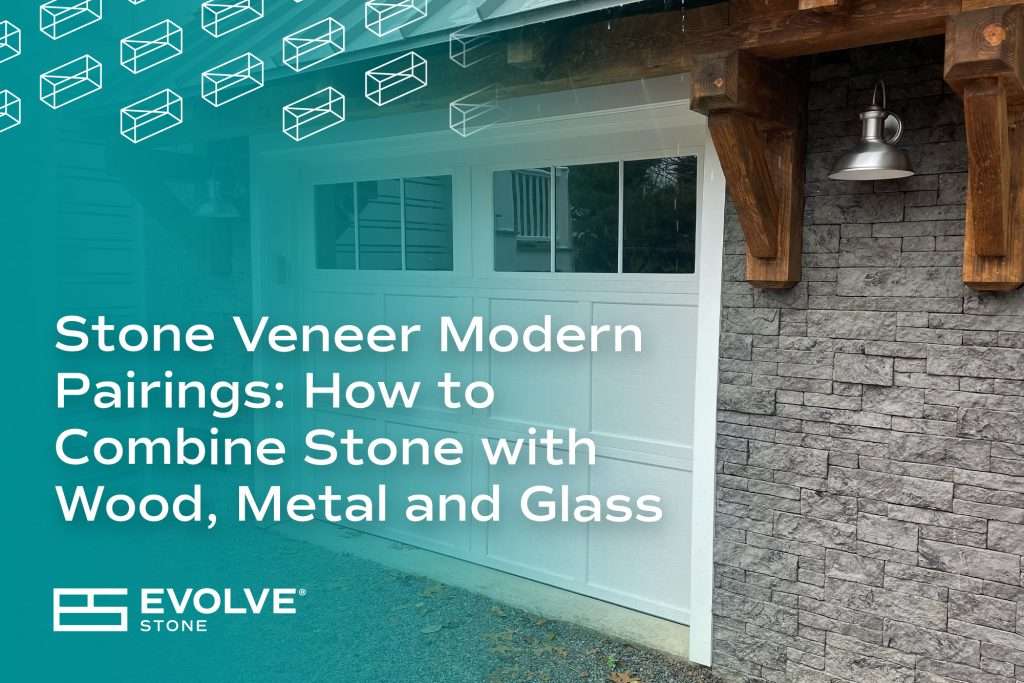
Modern architecture thrives on contrast—rough and smooth, warm and cool, natural and industrial. One of the most effective ways to achieve this balance is by pairing stone veneer with materials like wood cladding, metal panels, and glass.
Done right, these combinations create bold, high-end exteriors and interiors. Done poorly, they can look disjointed or unfinished.
This guide breaks down how to design with stone veneer modern pairings while maintaining clean lines, strong visual hierarchy, and durable transitions.
Why Stone Veneer Works So Well in Modern Design
Stone veneer brings texture, depth, and permanence—qualities that balance the sleekness of modern materials.
In contemporary architecture, it’s often used to:
- Anchor minimalist designs
- Add contrast to smooth surfaces
- Create focal points without overwhelming the structure
If you’re exploring how stone fits into modern architecture, start with this guide to stone veneer in modern design.
Pairing Stone Veneer with Wood Cladding
Wood and stone are both natural materials—but they create contrast through:
- Texture (smooth vs rugged)
- Tone (warm vs neutral)
- Pattern (linear vs irregular)
Best Practices:
- Use stone as a base or vertical anchor
- Let wood cladding define horizontal lines
- Maintain spacing or reveals between materials
Design Tip:
Avoid blending the two materials directly. Instead, use a trim detail or reveal to create a clean break.
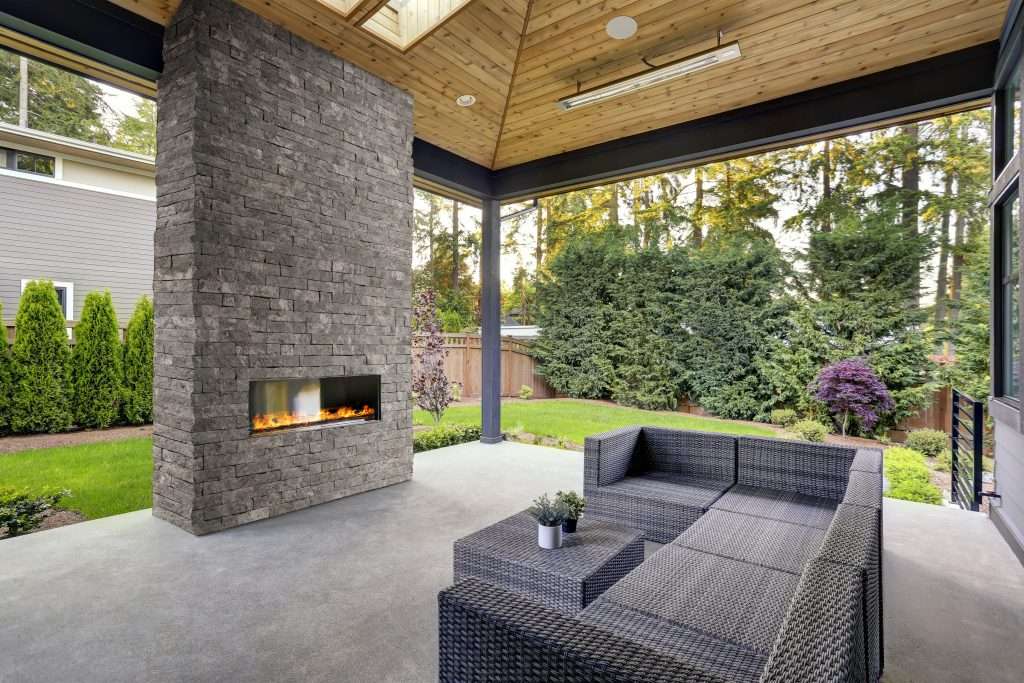
Combining Stone Veneer with Metal Panels
Metal introduces a sleek, industrial feel that contrasts sharply with stone’s organic texture.
Why This Works:
- Stone softens the harshness of metal
- Metal sharpens the visual edges of stone
Applications:
- Accent walls paired with metal siding
- Entry features combining both materials
- Commercial facades with strong contrast
For systems that simplify installation while maintaining modern aesthetics, explore mortarless stone veneer solutions and benefits.
Pairing Stone Veneer with Glass
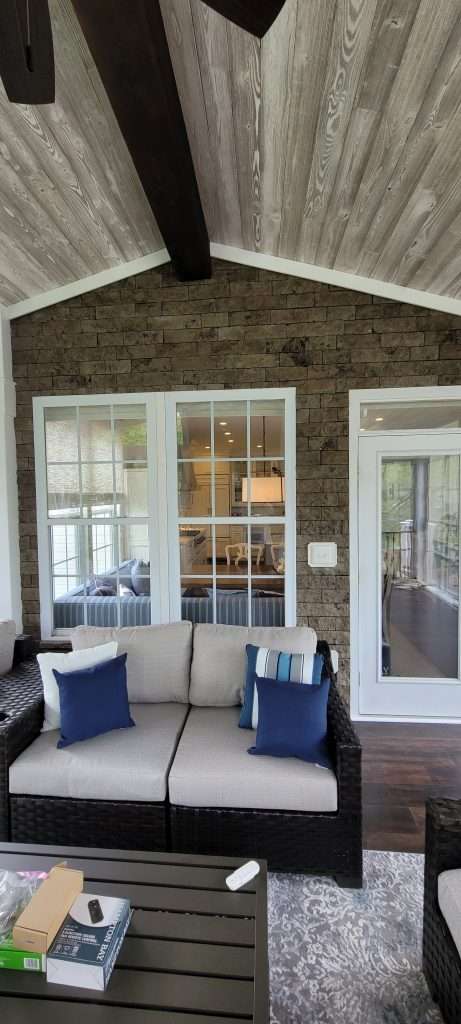
Glass introduces transparency and light—making stone appear even more grounded and solid.
Key Design Strategies:
- Use stone to frame large glass openings
- Pair darker stone tones with reflective glass
- Avoid overcrowding—let each material breathe
This pairing is especially effective in:
- Modern homes with expansive windows
- Indoor-outdoor transitions
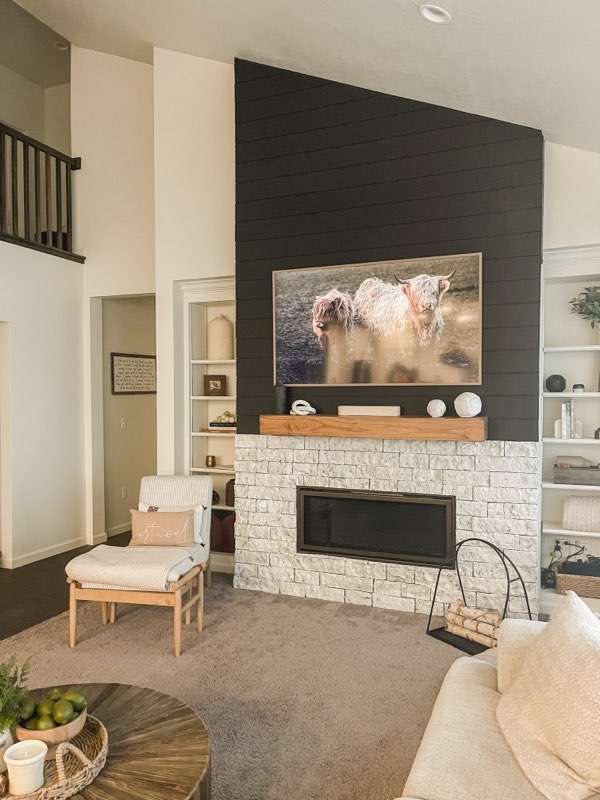
- Fireplace features
For inspiration, see how stone becomes a focal point in spaces like modern fireplace designs.
The Importance of Clean Intersections
One of the biggest challenges in modern design is managing material transitions.
Without clean intersections, even high-end materials can look sloppy.
Key Elements to Get Right:
1. Reveals
Small gaps between materials create:
- Shadow lines
- Visual separation
- Cleaner transitions
2. Trim and Edging
Use:
- Metal trim pieces
- Stone-compatible accessories
- Pre-fabricated corners and sills
Explore options like stone veneer sills and outside corners for polished finishes.
3. Alignment
Make sure:
- Horizontal lines match across materials
- Joints don’t clash visually
- Patterns complement rather than compete
Choosing the Right Stone Style for Modern Pairings
Not all stone veneer styles work equally well in modern design.
Here’s how different profiles perform:
Sleek + Contemporary
- District View stone veneer
- Clean lines, smaller scale
- Ideal for tight spaces and modern facades
Linear + Minimal
- National True stone veneer
- Uniform shapes
- Works well with wood cladding and metal panels
Bold + Architectural
- Monument Gate stone veneer
- Larger stones
- Strong visual presence for statement walls
Dynamic + Mixed Format
- Capital Sky stone veneer
- Blended sizes
- Adds movement to modern designs
Classic with Variation
- Georgetown Run stone veneer
- More traditional feel
- Works well in transitional modern homes
Exterior vs Interior Pairings
Exterior Applications:
- Stone + wood siding
- Stone + metal cladding
- Stone + large glass panels
These combinations enhance curb appeal and long-term value—see how in this breakdown of stone veneer ROI and curb appeal benefits.
Interior Applications:
- Feature walls
- Fireplaces
- Accent zones
Stone helps break up flat drywall and adds dimension without overwhelming the space.
Installation Considerations for Multi-Material Designs
Modern designs aren’t just about aesthetics—they require precise execution.
Key Considerations:
- Plan transitions before installation
- Coordinate trades (siding, glazing, trim)
- Maintain proper spacing and alignment
Mortarless systems make this easier by:
- Reducing mess at transitions
- Allowing faster adjustments
- Improving consistency
If you’re new to veneer systems, review this overview of what stone veneer is and how it’s installed.
Bringing It All Together: Balance Is Everything
The goal of modern material pairing isn’t to showcase each material independently—it’s to create a cohesive composition.
The best designs:
- Balance texture and smoothness
- Use contrast intentionally
- Maintain clean, precise transitions
When done right, stone veneer becomes the element that grounds the design while elevating everything around it.
See These Combinations in Action
Visual examples can help you understand scale, proportion, and transitions.
Watch real installations and design applications:
stone veneer videos and installation examples
Ready to Design Your Modern Exterior?
Explore systems designed for flexibility, speed, and modern aesthetics:
- Browse Evolve Stone mortarless veneer systems
- Order stone veneer samples to test combinations
- Explore full product options and styles
For Builders and Designers
If you’re creating modern projects and want to stand out:
Join the Preferred Pro program
Final Thought
Modern design is all about contrast with control.
Pairing stone veneer with wood, metal, and glass gives you the tools to create spaces that feel:
- Balanced
- Intentional
- Architecturally refined
And when those materials are installed with precision, the result isn’t just beautiful—it’s built to last.
FAQs
Wood, metal, and glass pair especially well with stone veneer because they create contrast in texture, tone, and visual weight.
Yes. Stone veneer is commonly used in modern architecture to add texture, depth, and contrast to minimalist designs.
Clean transitions are typically created using reveals, trim pieces, and careful alignment between materials.
Mortarless stone veneer systems work well in modern homes because they provide clean lines, faster installation, and consistent spacing.
Linear, uniform, and contemporary stone profiles typically work best for modern homes and commercial facades.