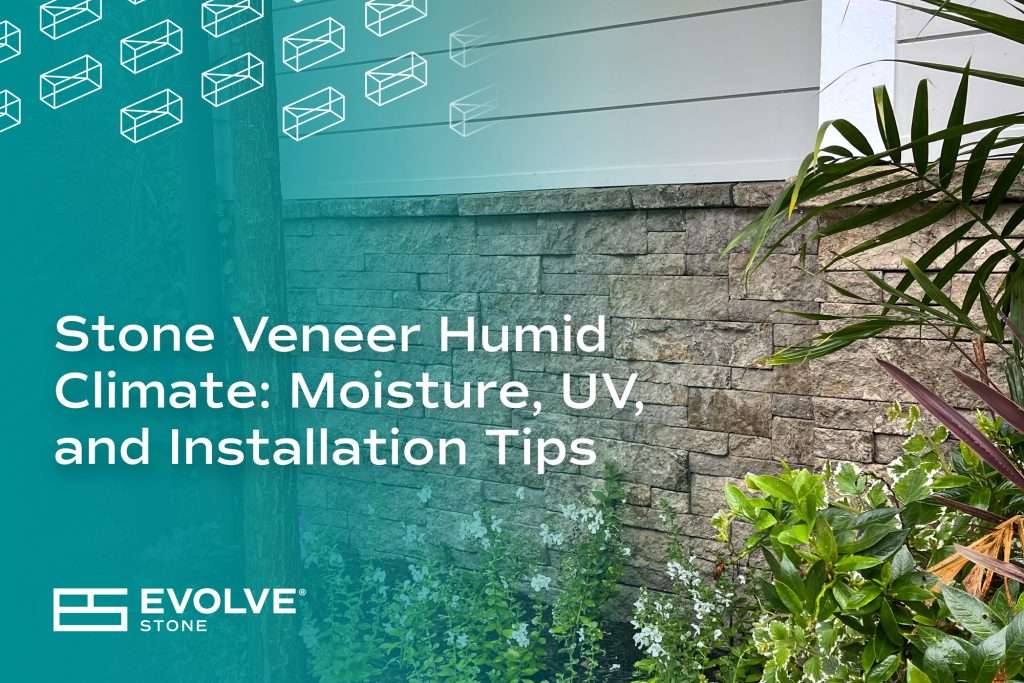
Installing stone veneer in the Southeast, Gulf Coast, and other hot-humid regions requires more than just choosing a beautiful material – it demands a system designed to handle high dew points, intense UV exposure, and constant moisture pressure.
In these climates, failure isn’t usually caused by the stone itself. It’s caused by trapped moisture, poor ventilation, and improper installation methods.
If you’re planning to install stone veneer in a humid climate, here’s what you need to know to build a system that lasts.
Why Hot-Humid Climates Are So Challenging for Stone Veneer
Hot-humid climates create a perfect storm of building science challenges:
- High outdoor humidity levels year-round
- Frequent rain and wind-driven moisture
- Strong solar radiation (UV exposure)
- Rapid dew point fluctuations
These conditions drive moisture from the outside inward, especially during summer months. Without proper wall design, that moisture gets trapped behind cladding.
If you’re unfamiliar with how veneer systems work, start with this overview of what is stone veneer and how it performs in exterior applications.
The Biggest Risk: Trapped Moisture Behind Stone Veneer
The number one cause of failure in humid climates is moisture getting trapped behind the veneer.
When water enters the wall assembly and cannot escape, it leads to:
- Mold growth
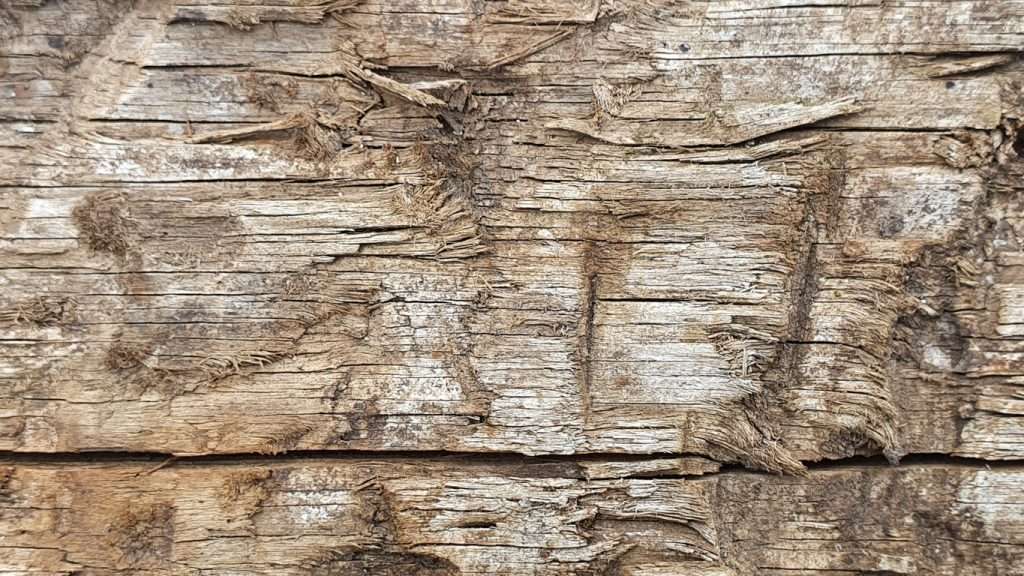
- Wood rot
- Structural degradation
- Reduced insulation performance
Many traditional installations fail because they lack:
- A drainage plane
- Airflow behind the cladding
- Proper flashing integration
This is why modern systems prioritize drainage and ventilation – not just water resistance.
Why a Rainscreen Is Critical in Humid Climates
A rainscreen system creates a small but essential air gap between the stone veneer and the wall.
This gap allows:
- Water to drain downward
- Air to circulate and dry the wall
- Vapor to escape instead of condensing
In hot-humid environments, this is not optional – it’s essential.
If you’re evaluating system design, review the importance of using a rainscreen behind exterior claddings to understand how it protects against long-term moisture damage.
Choosing the Right WRB for High Dew Point Conditions
A water-resistive barrier (WRB) is your second line of defense.
In humid climates, your WRB must:
- Block bulk water intrusion
- Integrate with flashing systems
- Maintain continuity across penetrations
But just as important – it must work with the rest of the system, not trap moisture inside it.
The goal isn’t to create a sealed wall. It’s to create a wall that can shed water and dry efficiently.
UV Exposure: How Sunlight Impacts Stone Veneer Performance
In southern climates, UV exposure is relentless. Over time, it can cause:
- Color fading
- Surface breakdown
- Material brittleness
This is especially true for products that rely on surface-applied color.
That’s why many builders prioritize systems with color integrated throughout the material, which maintain their appearance even after cutting or years of exposure.
You can explore these performance-focused options here:
Mortarless stone veneer systems designed for durability
Fastener Corrosion: The Hidden Failure Point
Humidity and coastal air accelerate corrosion – especially when standard fasteners are used.
Over time, this can lead to:
- Rust staining
- Fastener failure
- Loose or unstable veneer
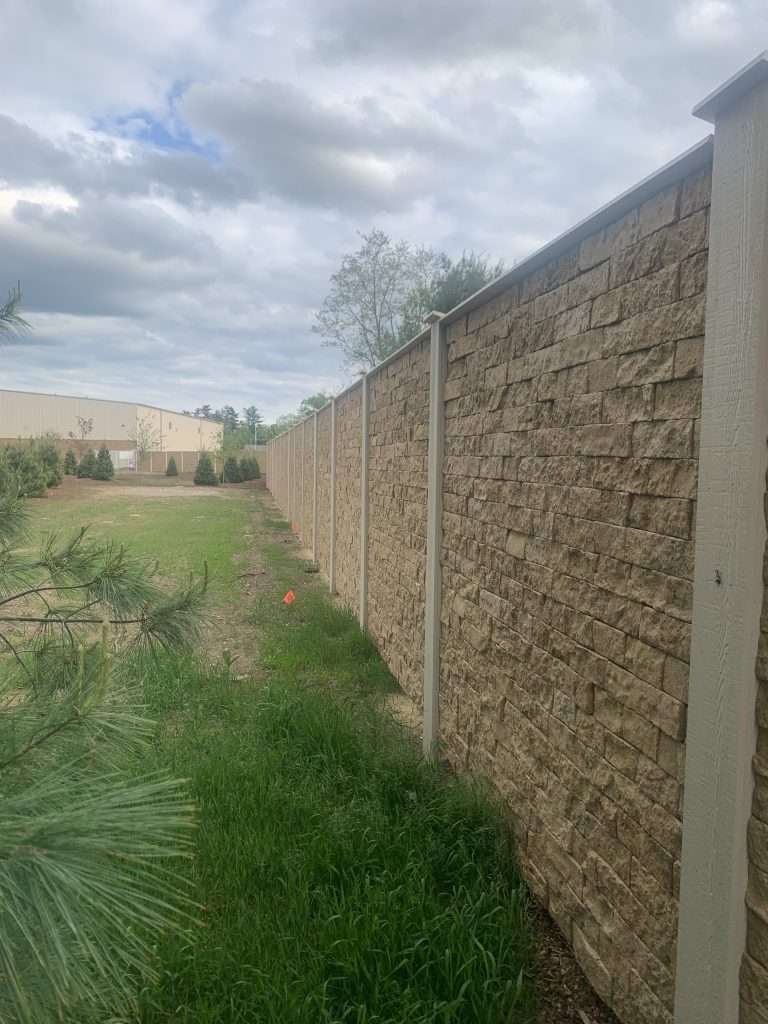
Proper installation requires corrosion-resistant fasteners that can withstand long-term exposure.
This detail is often overlooked, but it’s critical – fasteners aren’t cosmetic. They’re structural.
Why Mortarless Systems Perform Better in Humid Climates
Traditional stone veneer systems rely on mortar, which can absorb and retain moisture.
In humid environments, that creates a problem:
- Moisture gets absorbed
- Drying is slowed
- Trapped water increases failure risk
Mortarless systems eliminate this issue by:
- Reducing water retention
- Allowing faster drying
- Simplifying installation
If you’re comparing options, this guide on the benefits of mortarless stone veneer systems breaks it down in detail.
Installation Best Practices for Humid Climate Performance
To ensure long-term performance, your installation should include:
Essential Components:
- Continuous WRB system
- Rainscreen for drainage + airflow
- Proper flashing at all penetrations
Installation Approach:
- Avoid sealed wall assemblies
- Maintain drainage paths
- Use corrosion-resistant fasteners
- Ensure stones are properly secured without trapping moisture
Details like transitions, terminations, and accessories also matter. For example, properly designed trim elements help manage water at key areas.
See stone veneer accessories like sills and outside corners for examples of components that improve both performance and finish quality.
Climate-Specific Tips for the Southeast & Gulf Coast
When working in high humidity regions:
- Never block airflow behind the veneer
- Inspect WRB continuity before installing cladding
- Avoid installing over wet substrates
- Always include a drainage path – even if not required by code
Most importantly:
Build for drying, not just water resistance.
Long-Term Value: Performance, Durability, and ROI
A properly installed system doesn’t just prevent failure – it improves long-term value.
Stone veneer continues to be one of the top-performing exterior upgrades for return on investment.
If you’re evaluating cost vs value, this analysis of stone veneer ROI and long-term performance shows why it remains a top choice.
And beyond performance, it also enhances curb appeal – see how stone veneer improves home value and exterior design.
See Installation and Performance in Action
Understanding these systems visually can make a big difference.
Watch real-world examples here:
Stone veneer installation videos and system performance
Final Thoughts: Build Systems That Dry
Installing stone veneer in hot-humid climates isn’t about avoiding moisture – it’s about managing it correctly.
The best-performing systems:
- Allow water to drain
- Allow air to circulate
- Allow assemblies to dry
When every layer works together, you don’t just get a beautiful exterior – you get one that performs for decades.
Ready to Build for Humid Climates?
If you’re looking for a system designed to handle moisture, UV exposure, and long-term durability:
Explore Evolve Stone systems for humid climates
Or, if you’re a contractor looking to stand out in your market:
Become a certified installer and grow your business
FAQs
Yes. Stone veneer performs well in humid climates when installed with proper drainage, ventilation, flashing, and moisture management systems.
A rainscreen creates airflow and drainage behind the veneer, helping moisture escape and reducing the risk of mold and wall damage.
Extended UV exposure can impact some products over time, especially those with surface-applied color systems.
Mortarless systems can improve drying performance and reduce moisture retention compared to traditional mortar-based installations.
Most failures are caused by trapped moisture, poor flashing integration, lack of drainage, or improper installation methods.