
Planning a stone veneer project can dramatically transform a home’s exterior—but like any construction upgrade, success depends on understanding the full scope of the costs involved. From material pricing to labor, accessories, and contingency planning, a well-prepared budget ensures your project stays on track.
Whether you’re a homeowner planning a remodel or a contractor preparing an estimate, understanding the real components of stone veneer cost will help prevent surprises and ensure a smoother installation process.
This guide breaks down the major line items involved in a stone veneer project and highlights the often-overlooked expenses that can affect the final price.
Understanding Stone Veneer Cost Per Square Foot
One of the most common questions homeowners ask is: What does stone veneer cost per square foot?
While prices vary by region, product selection, and installation complexity, a typical installed stone veneer project generally includes two main categories:
- Material Costs
- Labor and Installation Costs
For budgeting purposes, many projects fall within the following ranges:
| Cost Category | Typical Range |
| Easy-to-Install Materials | $10 – $15 per sq. ft. |
| Easy-to-Install Total with Labor /Installation | $12 – $20 per sq. ft. |
| Traditional Materials | $7 – $12 per sq. ft. |
| Traditional Materials Total with Labor / Installation | $15 – $27 per sq. ft. |
These numbers can fluctuate based on factors like project height, accessibility, substrate preparation, and architectural details.
For homeowners exploring options, the Evolve Stone Cost Calculator can provide a quick starting estimate based on project size and product selection.
Material Costs: What You’re Actually Buying
The base veneer material typically represents only part of the total material cost. A full project requires several additional components.
Stone Veneer
The main expense is the veneer itself. Modern mortarless products such as the Evolve Stone Mortarless Series are designed for faster installation while maintaining the appearance of traditional masonry.
Evolve Stone’s styles come in a variety of sizes designed to simplify layout and provide a customized look to any surface.
Corners and Trim Pieces
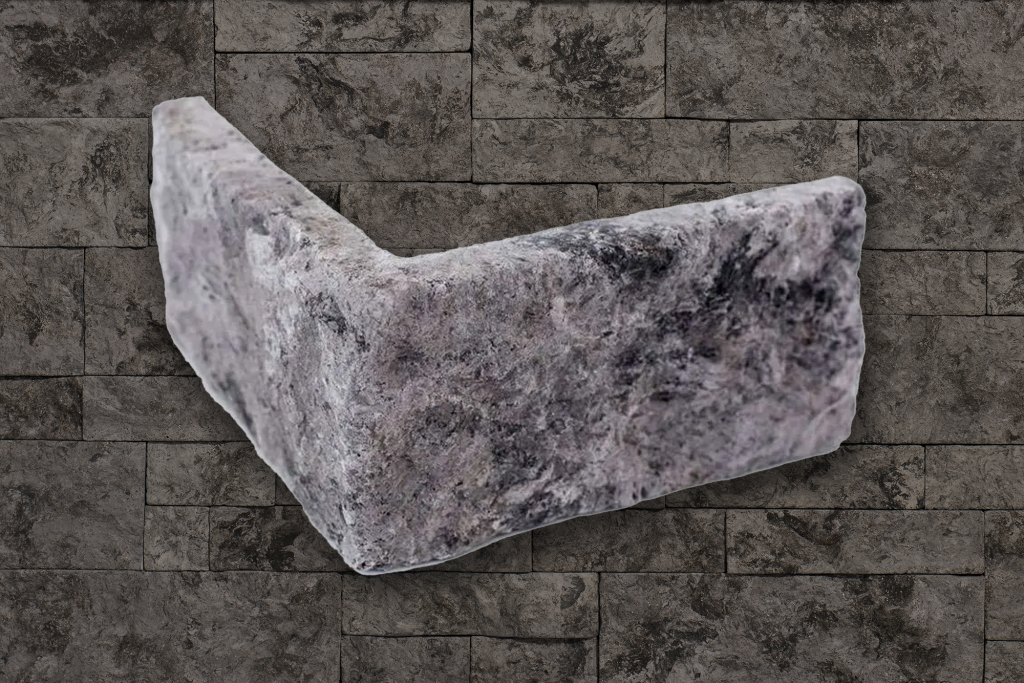
Corners are essential for creating a realistic three-dimensional appearance.
Without proper corner units, installations can look flat or unfinished.
Common trim components include:
- Outside corners
- Sills
- Ledge pieces
- Termination trims
These accessories are available through Evolve Stone sills and outside corners.
Because corners are often sold by linear foot rather than square foot, they must be accounted for separately in the takeoff.
Fasteners and Installation Hardware
Even mortarless veneer requires installation hardware such as:
- Corrosion-resistant fasteners
- Starter strips or ledgers
- Trim pieces
- Joint treatments
While these materials are relatively inexpensive individually, they should still be included in the project estimate.
Labor Costs: What Drives Installation Pricing
Labor is often the largest portion of a stone veneer project budget.
Installation costs can vary widely depending on several factors.
Project Accessibility
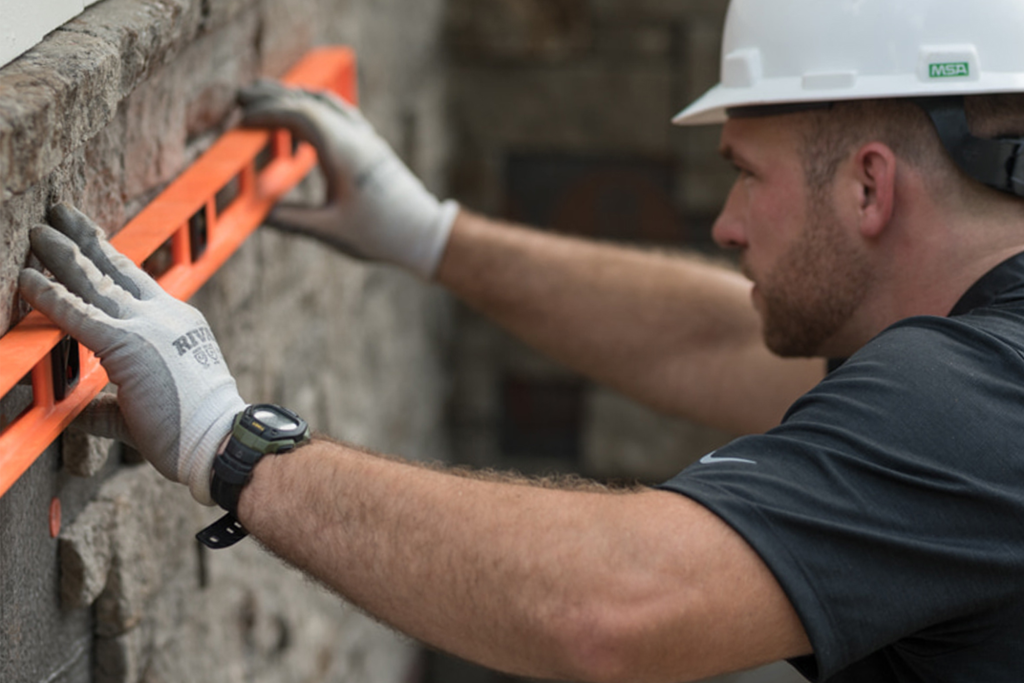
A ground-level wainscot install is significantly faster than a second-story chimney or full façade application.
Factors affecting labor cost include:
- Height of installation
- Scaffold or lift requirements
- Tight installation spaces
- Complex layouts
Architectural Complexity
Straight walls are easier to install than detailed architectural features.
Additional labor may be required for:
- Windows and door returns
- Columns and pilasters
- Fireplace surrounds
- Integrated trim details
Projects with extensive trim work or corner pieces require additional cutting and fitting.
Surface Preparation
Before installation begins, the wall must be properly prepared.
Preparation steps may include:
- Installing a weather-resistant barrier (WRB)
- Furring strips
- Sheathing repairs
- Surface leveling
If you’re preparing for an installation, reviewing what to expect during a siding company installation can help you anticipate the process.
The Hidden Costs Many Budgets Miss
Many cost overruns happen because a project estimate didn’t account for smaller but necessary components.
Here are the most common overlooked items.
Waste Factor
Most installers add 5–10% extra material to account for cutting waste, layout adjustments, and breakage.
This buffer ensures the project isn’t delayed by running short on materials.
If you’re estimating material needs, the guide How Much Stone Veneer Do I Need? explains how to calculate square footage and allowances accurately.
Design Changes During Installation
Homeowners frequently adjust the design once installation begins.
Examples include:
- Expanding the veneer area
- Adding returns around windows
- Extending veneer to additional walls
Even small changes can significantly impact both material and labor costs.
Delivery and Freight
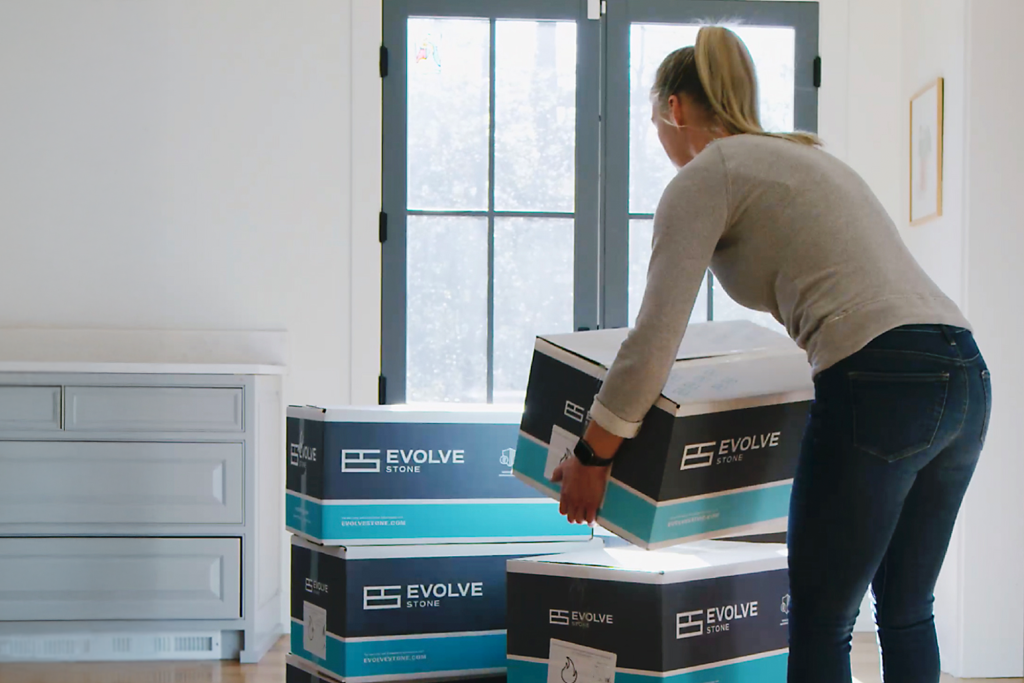
Depending on location and order size, freight charges may be applied to stone veneer shipments.
Contractors often include these costs as part of the overall project estimate.
Contingency Budget
Experienced contractors typically recommend adding a 10–15% contingency to cover unforeseen conditions.
Common surprises include:
- Hidden water damage
- Structural repairs
- Substrate replacement
- Additional flashing
Having a contingency allowance helps ensure the project can proceed without delays.
How a Proper Takeoff Prevents Cost Overruns
A professional takeoff—the process of calculating material quantities from plans or field measurements—is one of the best ways to control project costs.
A proper takeoff includes:
- Total wall square footage
- Corner linear footage
- Window and door deductions
- Trim accessories
- Waste allowance
Using tools like the Evolve Stone Cost Calculator can help homeowners and contractors build a more accurate initial estimate.
Choosing the Right Installer Matters
The installer you choose can significantly affect both the budget and the final result.
Working with trained professionals helps ensure:
- Accurate material ordering
- Efficient installation
- Proper substrate preparation
- Reduced material waste
Homeowners can find qualified installers through the Evolve Stone Preferred Pro network.
Why Stone Veneer Remains a High-Value Investment
While budgeting is important, it’s equally important to consider the long-term value of stone veneer.
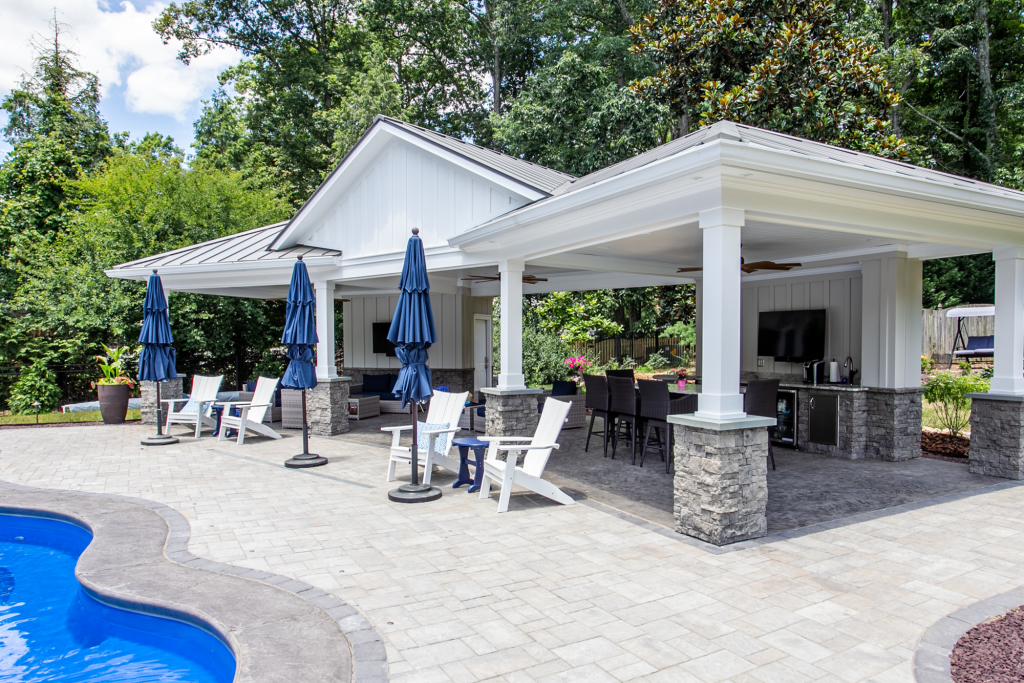
Stone veneer consistently ranks among the top exterior remodeling projects for return on investment. Studies show that well-executed veneer upgrades significantly improve curb appeal and resale value.
To learn more, explore:
- Stone Veneer Enhances Curb Appeal on Remodels and Generates Significant ROI
- The Return on Investment (ROI) of Stone Veneer
These resources highlight why stone veneer continues to be one of the most impactful exterior upgrades homeowners can make.
Planning Your Stone Veneer Project
A successful project begins with clear expectations and accurate budgeting.
By accounting for materials, labor, trim pieces, and contingency costs upfront, homeowners and contractors can avoid costly surprises and keep installations on schedule.
If you’re exploring design options, start by:
- Ordering Evolve Stone Samples
- Watching installation Evolve Stone videos
- Reviewing product options at Evolve Stone
With the right planning and materials, a stone veneer project can deliver lasting beauty, durability, and exceptional value.
FAQs
Stone veneer typically costs between $7 and $15 per square foot for materials, with total installed costs ranging from $12 to $27 per square foot depending on complexity.
Costs are influenced by materials, labor, project height, accessibility, surface preparation, and architectural complexity such as corners, windows, and trim details.
Hidden costs can include waste material, delivery fees, design changes, substrate repairs, and contingency allowances for unexpected issues during installation.
Yes, labor is often the largest cost due to installation complexity, preparation requirements, and time needed for detailed architectural features.
A proper takeoff, including square footage, trim, waste factor, and labor considerations, along with tools like a cost calculator, helps create a more accurate estimate.