
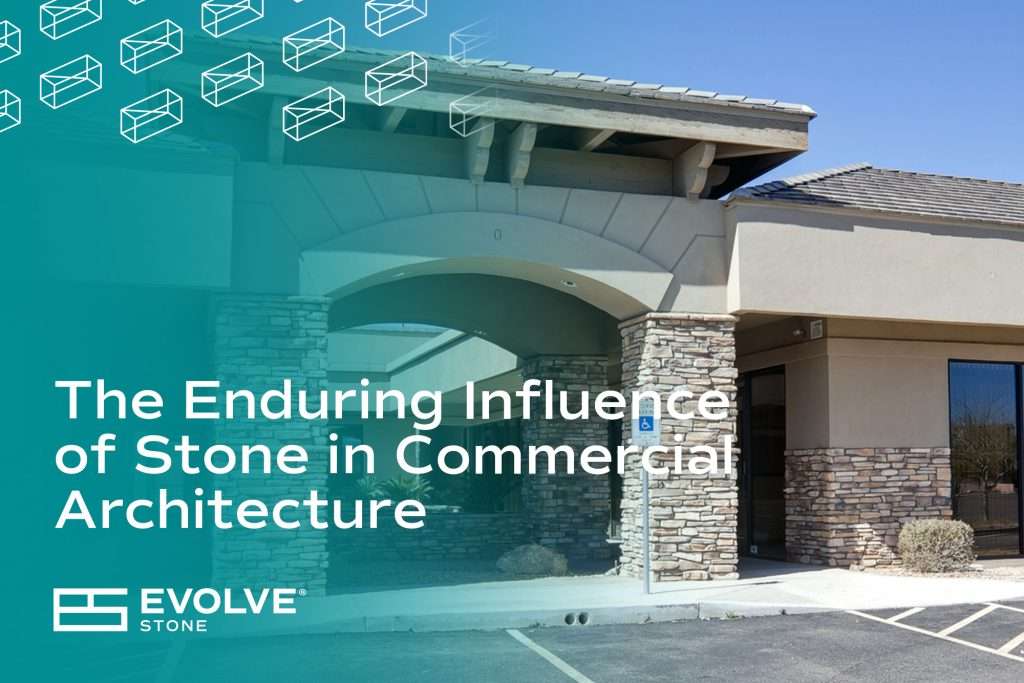
Stone has long shaped the skylines of our cities, standing as a symbol of strength, permanence, and prestige. In commercial architecture, few materials convey trust and stability as powerfully as stone. From banks and government buildings to contemporary corporate headquarters, stone communicates a sense of endurance and excellence that aligns with the aspirations of modern businesses.
The Role of Stone in Sustainable Commercial Design
Energy Efficiency Through Natural Thermal Mass
Beyond its beauty, stone contributes to the functionality and sustainability of commercial structures. Its natural thermal mass helps regulate interior temperatures, absorbing heat during the day and releasing it slowly at night. This passive energy management reduces reliance on mechanical heating and cooling systems, improving overall energy efficiency.
Green Building Practices and Longevity
As green building practices continue to shape the industry, stone remains a key material for achieving long-term sustainability goals. Its durability reduces maintenance needs and replacement costs, making it one of the most sustainable materials for large-scale construction.

Design Versatility and Modern Architectural Expression
Innovation Meets Natural Beauty
Advancements in quarrying and fabrication have expanded what architects can achieve with stone. It can now be cut, shaped, and finished in nearly limitless ways, offering endless design possibilities.
Aesthetic Range and Customization
Whether used to create sleek modern facades or to integrate organic, textural elements into urban environments, stone offers the flexibility to balance innovation with tradition. Its rich variety of colors, textures, and finishes allows designers to express both bold creativity and refined subtlety.
Stone as a Cultural and Visual Anchor in Urban Architecture
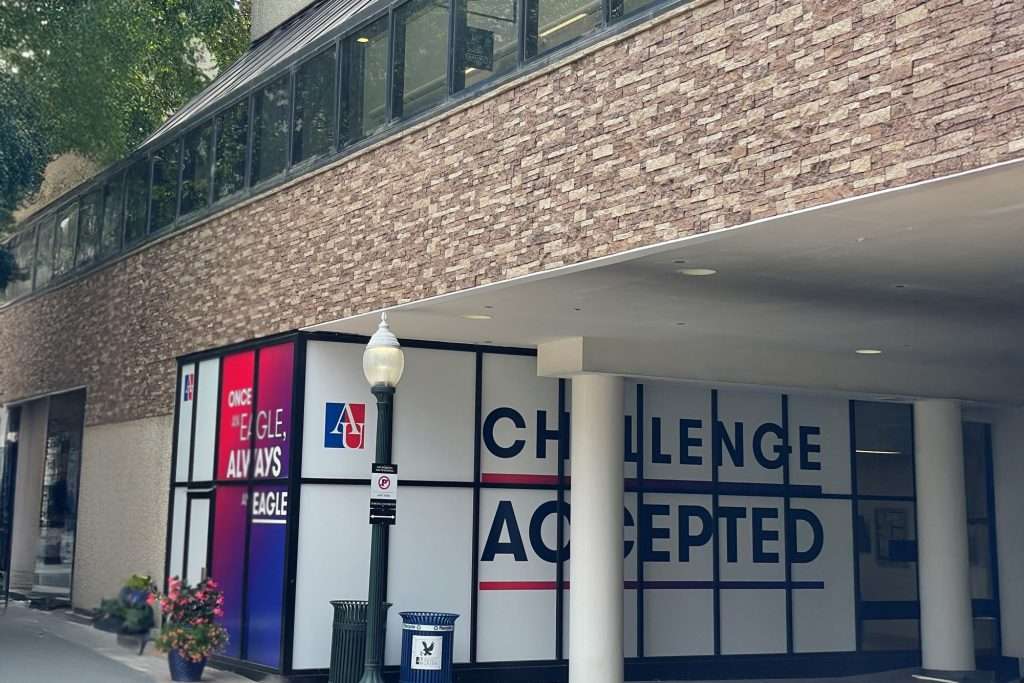
Commercial buildings often serve as visual landmarks, representing the identity and values of a city or brand. Stone plays a vital role in establishing this presence. Its resilience against weather and wear ensures that a building’s aesthetic appeal endures for decades.
Creating Architectural Icons That Last
For businesses seeking to make a lasting impression, stone’s durability supports both form and function, turning architectural ambition into enduring legacy. From historical restorations to new constructions, stone continues to define timeless landmarks in the commercial landscape.
Local Sourcing and Environmental Responsibility
Supporting Regional Economies and Reducing Emissions
As sustainability becomes central to construction, stone’s environmental advantages are gaining renewed attention. Locally sourced stone minimizes transportation emissions and supports regional quarries and artisans.
A Long Lifecycle With Minimal Waste
Its long lifespan reduces waste and resource use over time, making it an environmentally responsible choice for developers and architects focused on lifecycle performance.
Creating Inviting and Functional Commercial Interiors
A First Impression That Lasts
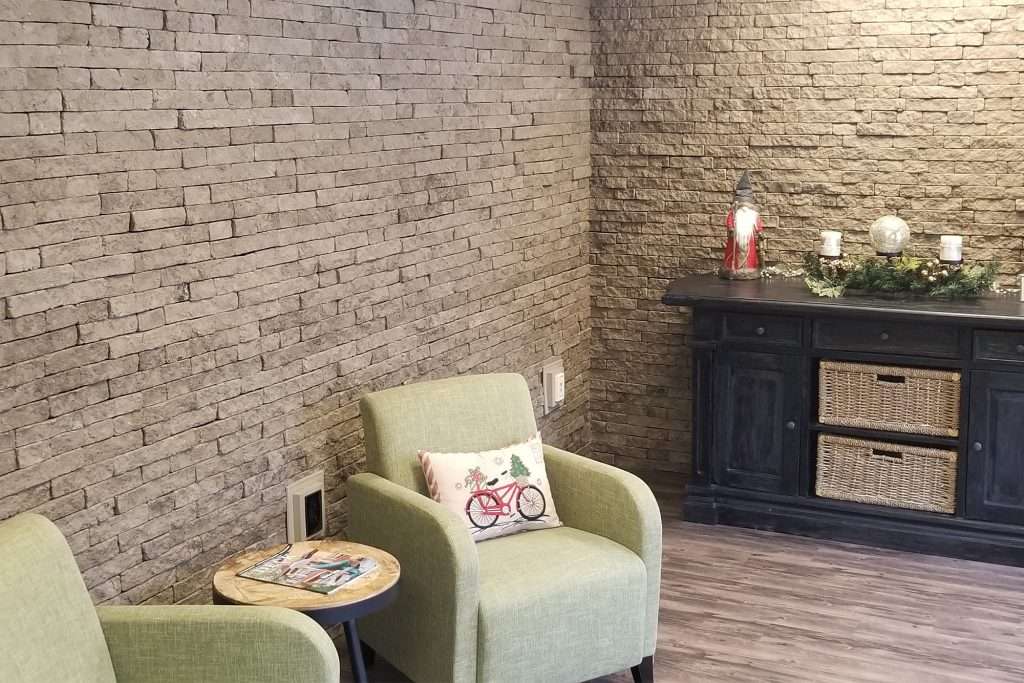
Stone’s influence extends indoors, where it brings a sense of refinement and permanence to commercial spaces. In lobbies, reception areas, and conference rooms, stone surfaces create a strong first impression.
Acoustic Performance and Safety
Its acoustic properties help reduce noise in high-traffic environments, and its non-combustible nature enhances safety and longevity. The result is a balance of durability, beauty, and practicality that elevates the user experience.
Preserving History Through Stone Restoration
Blending Heritage With Modern Use
Stone also plays a vital role in preserving the architectural heritage of older commercial buildings. Restoration projects breathe new life into aging structures while maintaining their historic integrity.
Sustainable Preservation Practices
Repaired or refinished stone facades honor craftsmanship from the past while adapting to today’s performance, accessibility, and environmental standards.
A Testament to Craftsmanship and Architectural Integrity
Every stone installation tells a story of precision and artistry. From modern geometric patterns to ornate traditional detailing, stonework showcases the skill of the artisans who shape it.
Craftsmanship as a Brand Statement
This craftsmanship communicates authenticity and care – qualities that reflect the values of the businesses within these spaces, reinforcing an image of excellence and reliability.
Strength, Sustainability, and Style United
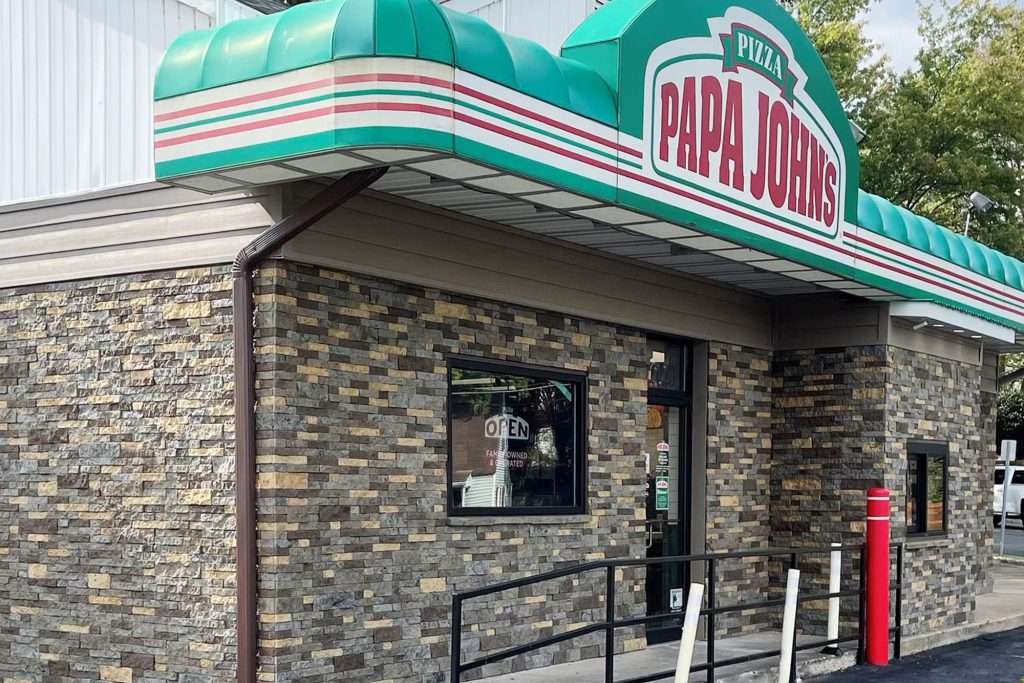
Stone in commercial architecture represents more than a building material. It is a bridge between past and present, tradition and technology, permanence and progress. Its durability, versatility, and natural beauty make it an enduring choice for architects and developers who want their buildings to stand the test of time – both structurally and symbolically.
FAQs
Stone conveys strength, trust, and permanence—making it ideal for commercial buildings that want to project stability, professionalism, and long-term value.
Its natural thermal mass helps regulate indoor temperature by storing heat during the day and releasing it slowly, reducing HVAC demand and improving sustainability.
Yes. Stone’s longevity, recyclability, and potential for local sourcing make it one of the most environmentally responsible choices for commercial design.
Stone suits both contemporary and classic aesthetics, offering a wide range of textures, finishes, and colors that blend innovation with timeless appeal.
Inside, stone creates a refined, professional atmosphere with superior acoustics, fire resistance, and natural beauty that elevates visitor and employee experiences.