
When planning a mortarless stone veneer installation, one of the most common questions homeowners and contractors ask is: What surfaces can stone veneer actually be installed over?
Traditional masonry veneer typically requires mortar, metal lath, and a rigid substrate. But modern mortarless stone veneer systems, like the innovative solutions offered by Evolve Stone, dramatically simplify installation by allowing panels to be mechanically fastened directly to many common construction surfaces.
Still, substrate compatibility remains a critical factor for long-term durability, structural integrity, and proper fastener pull-out strength. Understanding which surfaces are suitable and how to prepare them ensures a clean, professional result.
This guide breaks down the most common substrates used in residential and commercial construction and explains how to prepare each one for a successful installation.
Why Substrate Compatibility Matters
A stone veneer installation is only as strong as the surface it attaches to. Even though mortarless systems eliminate the complexity of traditional masonry, they still rely on secure mechanical fastening and proper wall assembly.
Key factors include:
- Fastener pull-out strength
- Moisture protection via housewrap or WRB
- Proper drainage and airflow through a rainscreen system
- Flatness and structural integrity of the substrate
- Compatibility with exterior wall systems
If the base surface is unstable, improperly sealed, or unable to hold fasteners securely, the installation can fail over time.
In addition to selecting the right substrate, it’s important to follow a proper wall assembly. For installations over OSB, plywood, or ZIP System sheathing, Evolve Stone requires a rainscreen system to support drainage and ventilation behind the veneer.
In addition to selecting the right substrate, it’s important to follow a proper wall assembly. For installations over OSB, plywood, or ZIP System sheathing, Evolve Stone requires a rainscreen system to support drainage and ventilation behind the veneer.
A typical wall assembly should follow this order:
- Structural sheathing or substrate (OSB, plywood, or ZIP)
- Housewrap or WRB (not required for ZIP sheathing, as it is integrated)
- Rainscreen system
- Mortarless stone veneer panels
This layered approach helps manage moisture, improves airflow, and protects the building envelope over time.
For a broader overview of modern systems and benefits, read this guide to mortarless stone veneer solutions and benefits: mortarless stone veneer solutions and benefits.
Common Substrates for Mortarless Stone Veneer Installation
OSB (Oriented Strand Board)
OSB is one of the most common exterior wall sheathing materials used in residential construction.
When installing mortarless stone veneer over OSB:
- Ensure the wall assembly includes a proper housewrap or WRB.
- Install a rainscreen system over the WRB to allow for drainage and airflow.
- Confirm the OSB thickness meets structural requirements for fastener pull-out strength.
- Verify the wall surface is flat and securely fastened to framing.
Once protected with housewrap and paired with a rainscreen system, OSB provides an excellent fastening base for mortarless systems.
If you’re preparing a home for exterior upgrades, this article explains how to get ready for installation:
How to Prepare Your Home for a Siding Company Installation.
Plywood Sheathing
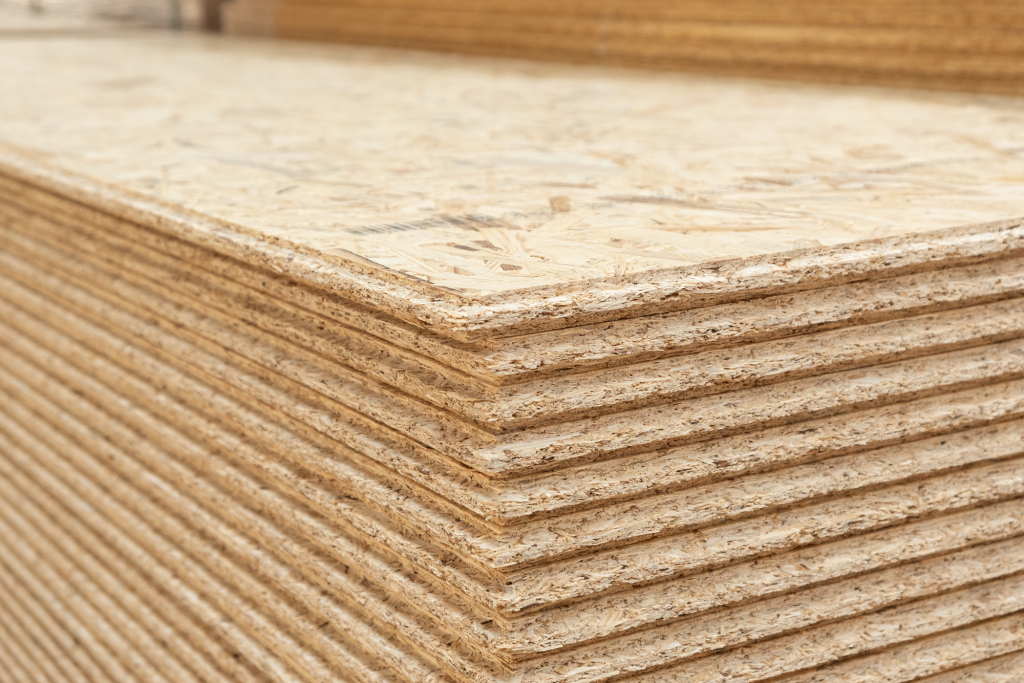
Plywood performs similarly to OSB and is another strong candidate for mortarless stone veneer installation.
Advantages of plywood include:
- Strong fastener holding capacity
- Stable structural surface
- Widely used in exterior wall assemblies
As with OSB, proper installation requires:
- A housewrap or WRB
- A rainscreen system installed over the WRB
- Proper flashing details around windows, doors, and penetrations
This layered approach helps manage moisture and ensures long-term performance of the veneer system.
ZIP System Sheathing
ZIP System sheathing is a popular integrated sheathing and WRB solution.
When installing over ZIP sheathing:
- A separate housewrap or WRB is not required, as it is already integrated
- A rainscreen system is still required to provide drainage and ventilation
- Ensure all seams are properly taped and sealed per manufacturer guidelines
The assembly should follow:
ZIP sheathing → rainscreen → stone veneer
Fiber Cement Board
Fiber cement siding and panels are also compatible substrates under certain conditions.
Before installing mortarless stone veneer over fiber cement:
- Ensure the material is structurally secure
- Confirm it can support the required fasteners
- Verify proper moisture protection behind the system
- Incorporate a rainscreen system where applicable to improve drainage and ventilation
In some situations, installers may use furring strips to create a secure fastening surface or to enhance airflow behind the system.
Housewrap and WRB Systems
While housewrap or a weather-resistive barrier (WRB) is not a structural substrate itself, it plays a critical role in protecting the wall assembly.
A complete wall system typically includes:
- Structural sheathing (OSB or plywood)
- Housewrap or WRB (unless using ZIP System sheathing)
- Rainscreen system
- Flashing details
- Mortarless stone veneer panels
The WRB helps prevent moisture infiltration, while the rainscreen allows for drainage and airflow, working together to protect the building envelope behind the veneer.
For a deeper explanation of how veneer systems work within the building envelope, see:
What Is Stone Veneer? An Overview.
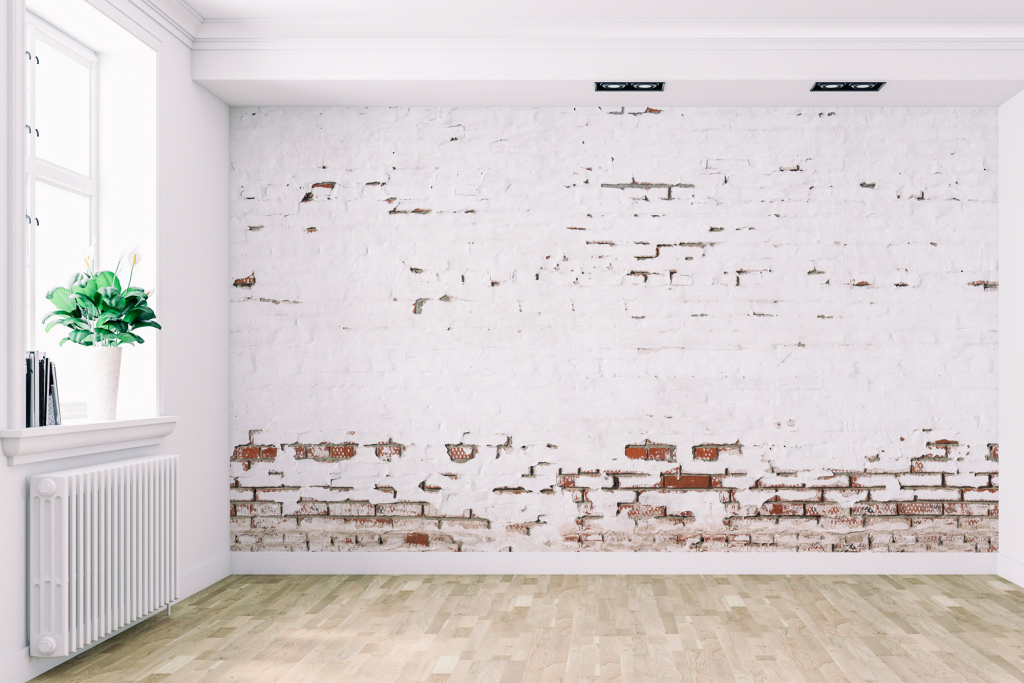
Painted Brick or Existing Masonry
In some renovation projects, homeowners want to install stone veneer directly over existing brick or masonry walls.
This can often be done successfully with mortarless systems, provided:
- The masonry surface is structurally sound
- Loose paint or debris is removed
- The surface is relatively flat
- Proper fasteners or anchors are used
If the existing surface is uneven or compromised, installers may add furring strips or a new sheathing layer. In these cases, a rainscreen approach may also be incorporated to improve drainage and long-term performance.
Vinyl or Aluminum Siding (Indirect Installation)
Mortarless stone veneer typically should not be installed directly over vinyl or aluminum siding.
Instead, installers usually:
- Remove the siding
- Inspect the underlying sheathing
- Install proper WRB and flashing
- Install a rainscreen system
- Install the veneer panels
Understanding what to expect during the installation process can help homeowners prepare:
What to Expect During a Siding Company Installation.
When Furring Strips Are Recommended
In some cases, installers may choose to install furring strips before attaching mortarless veneer panels.
Furring strips can help:
- Create a flat installation surface
- Improve drainage and airflow
- Serve as or support a rainscreen system
- Compensate for uneven existing materials
- Provide stronger fastener anchoring
This approach is common when installing over masonry, older substrates, or renovation surfaces.
Choosing the Right Fasteners
Regardless of substrate, proper fastener selection is critical.
Installers should always consider:
- Fastener length
- Corrosion resistance
- Compatibility with the substrate
- Required fastener pull-out strength
Using the correct fasteners ensures the veneer remains securely attached even in harsh weather conditions.
Why Mortarless Systems Simplify Installation
Traditional stone veneer installations often involve multiple steps:
- Metal lath
- Scratch coat
- Mortar application
- Skilled masonry labor
Modern mortarless systems streamline the process by allowing installers to fasten stone veneer directly to prepared substrates.
This approach reduces:
- Installation time
- Labor complexity
- Jobsite mess
To see examples of installation techniques and product applications, explore the Evolve Stone installation videos.
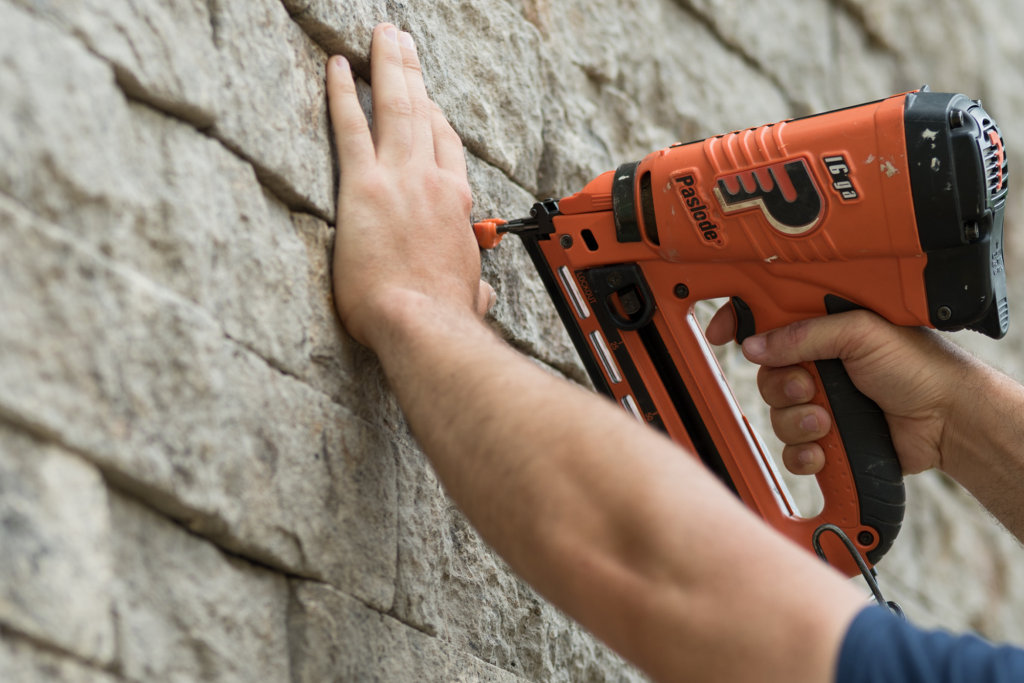
Professional vs DIY Installation
Many homeowners wonder if installing mortarless stone veneer themselves is realistic.
While the simplified installation process makes DIY possible, professional installers often deliver the most consistent results.
Learn more here:
DIY Mortarless Stone Veneer: Is It Possible?.
For contractors and professionals looking to work with Evolve Stone, the PreferredPRO installer network provides training and resources.
Complete Your Project with Trim Components
Finishing details are essential to creating a polished look.
Accessories like sills and outside corners help maintain architectural realism and protect vulnerable edges.
Explore available trim components here:
https://evolvestone.com/products/sills-and-outside-corners/
You can also browse the full product lineup in the Evolve Stone Mortarless Series:
https://evolvestone.com/evolve-stone-mortarless-series/
Final Thoughts
The flexibility of modern mortarless stone veneer installation opens up a wide range of substrate possibilities, from OSB and plywood to existing masonry surfaces.
However, success depends on careful preparation, proper moisture management, and ensuring the substrate can support secure fastening. Incorporating a rainscreen system where required plays a key role in protecting the wall assembly and improving long-term performance.
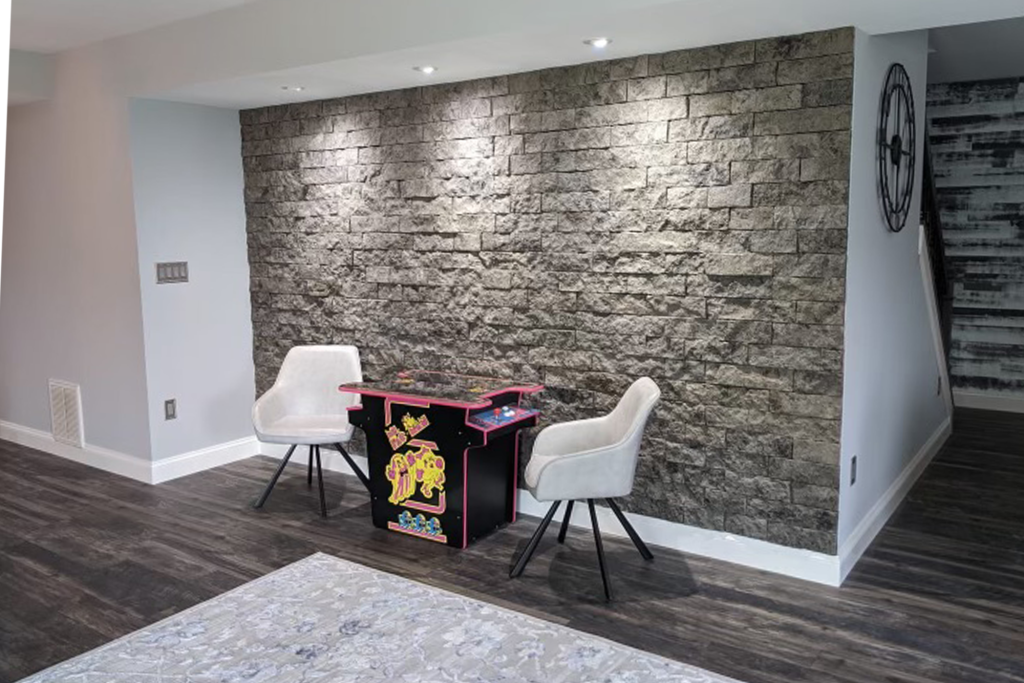
By understanding substrate compatibility and proper wall assembly, installers and homeowners can confidently transform exterior walls with the natural beauty of stone without the complexity of traditional masonry.
Explore more installation guidance, product options, and inspiration at https://evolvestone.com/.
FAQs
Mortarless stone veneer can be installed over OSB, plywood, ZIP System sheathing, fiber cement board, and properly prepared masonry surfaces.
Yes, a rainscreen system is typically required to provide drainage and airflow, especially when installing over OSB, plywood, or ZIP System sheathing.
Yes, if the brick is structurally sound, clean, and flat. Additional preparation like furring strips may be required for proper fastening and performance.
No, vinyl or aluminum siding should be removed before installation to ensure proper wall assembly, moisture protection, and secure fastening.
While DIY is possible, professional installation is recommended to ensure proper substrate preparation, fastening, and long-term durability.