First impressions sell homes long before a buyer ever looks at a floor plan. When prospective buyers step onto a subdivision lot, they aren’t just looking at square footage—they are trying on a lifestyle.
This is why model homes function primarily as powerful marketing tools rather than mere design showcases. Every room, texture, and light fixture is strategically curated to trigger an emotional “this is home” response. To stand out in a competitive real estate market, developers need high-impact materials that create memorable buyer experiences. This is where stone veneer can make model homes excel, creating distinct “stop and stare” moments that capture attention, elevate perceived value, and directly influence purchasing decisions.
Why Visual Impact Matters in Model Home Sales
In production and semi-custom homebuilding, the model home carries the heavy lifting for the sales team. It bridges the gap between a blank blueprint and a buyer’s imagination.
The Psychology of First Impressions
Buyers form an opinion about a property within the first few minutes of arriving. This initial evaluation relies heavily on emotional responses rather than logic. When a design incorporates rich textures and premium structural elements right at the threshold, it immediately signals quality. Creating these memorable spaces ensures your community remains top-of-mind when buyers are comparing multiple developments.
Model Homes as Sales Assets
A masterfully designed model home turns structural features into tangible selling points. It helps buyers visualize what their home could look like with the right upgrades, supporting faster inventory turnover and driving traffic to the builder’s design center.
Why Stone Veneer Works So Well in Model Homes
Not all finish materials are created equal. To justify its place in a model home, a product must deliver maximum visual impact efficiently.
Instant Architectural Character
Stone veneer injects instant texture, depth, and shadow lines into standard drywall spaces. It gives a property custom-home appeal without the crushing structural framing and foundation costs associated with full-bed masonry. Whether accenting a sleek, modern farmhouse or grounding a traditional estate layout, stone adds organic warmth that paint and trim simply cannot replicate.
High-End Appearance with Broad Buyer Appeal
Texture communicates craftsmanship. Stone conveys a sense of permanence, luxury, and timeless design that outlasts fleeting, trend-driven finishes. By integrating stone focal points, builders elevate the perceived value of the entire structure.
Flexible Design Applications
Because modern stone veneer is highly versatile, it offers limitless interior and exterior design possibilities. It integrates seamlessly into standard builder design packages, allowing sales teams to show buyers exactly how to replicate a high-end look on their own chosen floor plans.
5 Stone Veneer Features That Create ‘Stop and Stare’ Moments
To maximize your return on investment, focus stone applications where they will receive the highest engagement during tours and lifestyle photography.
1. Statement Fireplace Walls
The fireplace is the traditional heart of the home. Floor-to-ceiling fireplace stone veneer elevates a great room from standard to spectacular. It anchors open-concept living spaces and serves as the primary focal point for listing photos, attracting digital shoppers before they even schedule an in-person tour.
2. Dramatic Entryways
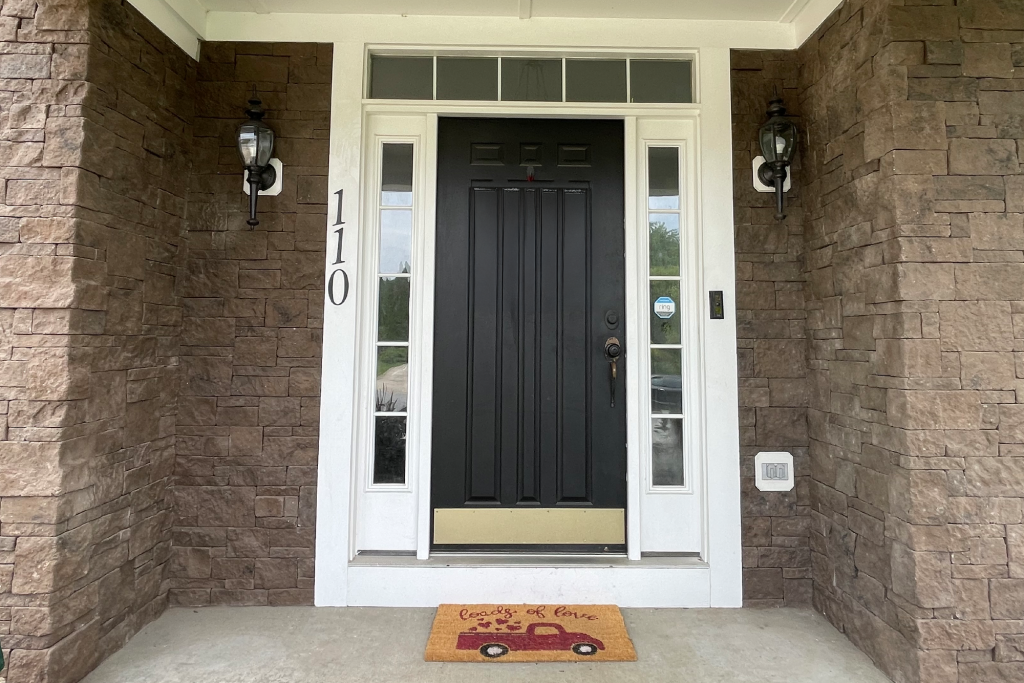
Establish a premium first impression before the front door even opens. Using stone veneer to highlight porticos, columns, or front porch accent walls creates a memorable welcome experience. It sets an upscale tone for the remainder of the home tour.
3. Outdoor Living Spaces Buyers Remember
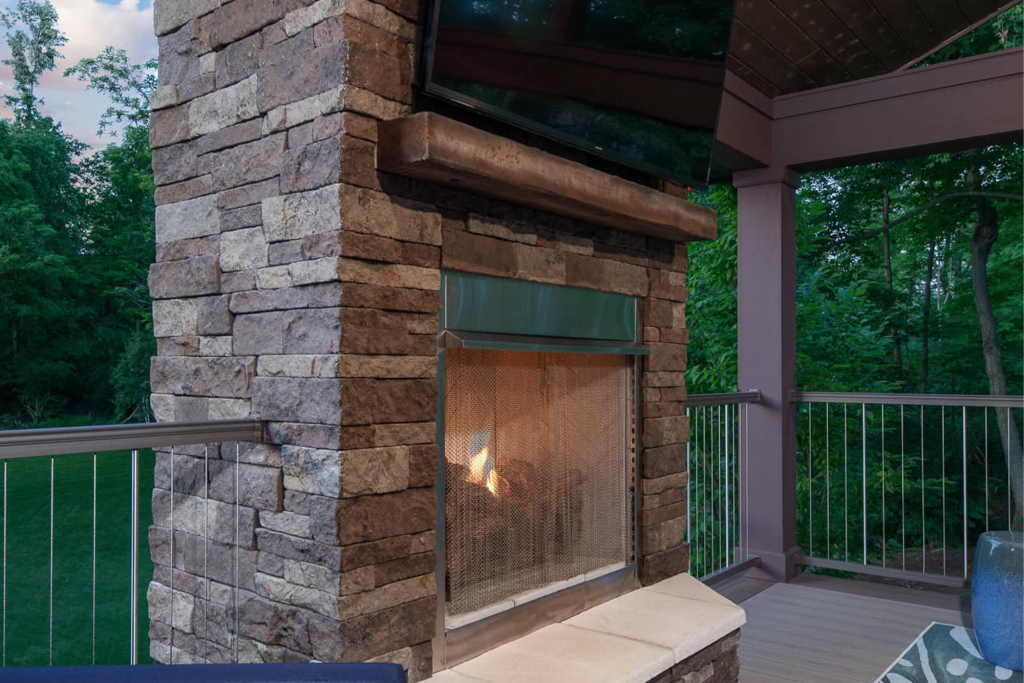
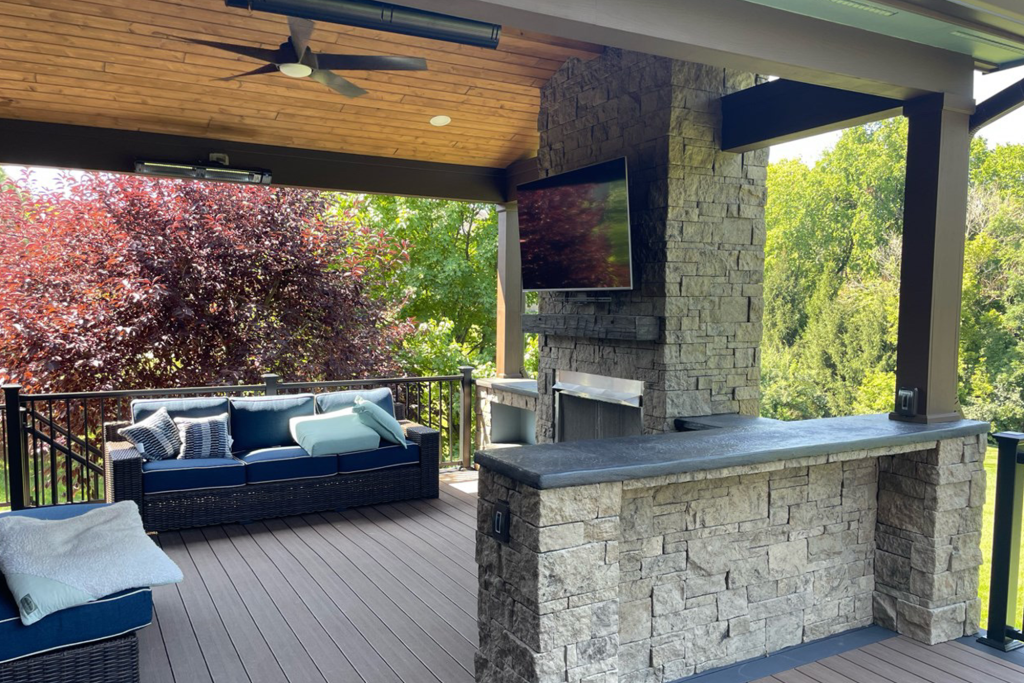
Buyers aren’t just looking for a backyard; they want an oasis. Extending stone veneer to covered patios, outdoor kitchens, and outdoor fireplaces increases the perceived usable living space of the property. This seamless indoor-outdoor design tells a cohesive luxury story.
4. Kitchen Accent Features
In modern open-concept layouts, the kitchen is completely exposed to the living area. Adding stone veneer to island surrounds introduces unexpected texture and beautifully complements premium cabinetry, backsplashes, and countertops.
5. Exterior Feature Walls and Columns
Curb appeal for new construction is vital for driving drive-by traffic. Strategic exterior stone feature walls create sharp visual distinction among similar floor plans in a subdivision, giving production homes a distinct, individualized identity.
Designing Stone Veneer Model Homes That Drive Sales
A brilliant model home balances aspirational design with real-world sales viability. The goal is to make upgrades feel achievable, not out of reach.
Using Veneer to Showcase Premium Options
Model homes are your best tool for demonstrating builder design center upgrades in a physical, touchable format. When a buyer stands next to a beautifully executed stone accent wall, they instantly recognize the value of upgrading their base package. It transforms an abstract line item on an upgrade sheet into a must-have feature.
Strategic Placement for Maximum Impact
You don’t need to wrap an entire house in stone to make an impact. Prioritize high-visibility, high-traffic locations—the spaces where buyers naturally linger, take photographs, and share on social media.
Stone Veneer and Buyer Perception
Material selection tells a silent story about the integrity of a home’s construction.
Features That Signal Quality
Textured, organic materials like stone communicate structural craftsmanship and permanence. When buyers see thoughtful design details on display in a model home, it builds trust in the overall construction quality of the hidden components behind the walls.
Creating Emotional Connections
Ultimately, home buying is driven by how a space makes a person feel. Stone veneer makes expansive rooms feel warm, welcoming, and grounded. It helps buyers envision their daily lives, family gatherings, and quiet evenings in the space, fostering a stronger emotional attachment during the tour.
Practical Benefits for Builders
While aesthetics drive sales, installation practicalities protect your bottom line and construction schedules. Advanced systems like Evolve Stone offer crucial operational advantages for building teams.
| Construction Variable | Traditional Masonry / Concrete Veneer | Evolve Stone Composite Veneer |
| Installation Speed | Slow; requires wet mortar setting & curing | Up to 10x faster; dry-fit carpentry installation |
| Weight Impact | Heavy; requires structural footings/ties | Ultra-lightweight; no additional structural reinforcement |
| Weather Dependency | Temperature-sensitive; can’t lay mortar in freezing cold | Weather-independent; installs rain, shine, or freeze |
| Labor Requirement | Specialized, hard-to-find master masons | Standard carpentry crews using finish nailers |
Efficient Installation for Model Home Timelines
Model homes face inflexible grand opening deadlines. Delays cost money and disrupt community marketing momentum. Lightweight, mortarless stone veneer systems can be installed quickly by standard trim crews using standard finish screws or nailers. This eliminates the wait time for specialized masons and wet mortar curing, helping you meet tight construction schedules effortlessly.
Repeatable Design Across Multiple Floor Plans
A successful showcase home design provides a repeatable template for your entire development. Because composite veneer installs with carpentry tools, the design concepts can easily be scaled across multiple floor plans, ensuring consistent builder branding and premium aesthetics across the entire community.
How Builders Use Stone Veneer to Increase Model Home Appeal
To maximize the effectiveness of stone features, keep these final strategic execution tips in mind:
- Match the Community’s Target Buyer: Tailor your stone selection to the demographic. Use clean, linear, monochromatic profiles for modern urban townhomes, and warm, rugged ledgestone profiles for suburban family developments.
- Focus on High-Visibility Locations: Ensure your stone features are front and center in your model home staging and digital marketing imagery.
- Coordinate with the Design Center: Ensure the exact stone profiles, styles, and colors showcased in your model home are prominently featured and easily selectable at your design center to streamline the upgrade pathway.
Conclusion
Model homes are engineered to inspire action, not simply display finishes. To move inventory quickly and drive premium upgrade sales, developers must invest in standout design moments that leave lasting impressions long after the tour ends. By strategically placing high-appeal stone veneer features in high-traffic zones, you create emotional, “stop and stare” environments that resonate deeply with modern home buyers. It’s an investment that elevates your brand, sets your community apart, and accelerates your sales velocity.
FAQs
Stone veneer adds texture, depth, and architectural character that helps model homes stand out. It creates memorable focal points that increase buyer interest and elevate perceived home value.
High-impact locations include fireplace walls, entryways, outdoor living areas, kitchen islands, and exterior feature walls. These areas naturally attract attention during home tours.
Stone veneer can improve buyer perception by creating premium, visually appealing spaces that help prospective homeowners form stronger emotional connections to the property.
Model homes allow builders to display stone veneer as a tangible upgrade. Buyers can see and experience the finished look, making premium design selections easier to justify.
Mortarless stone veneer installs significantly faster than traditional masonry, requires no specialized masons, reduces scheduling delays, and makes it easier to replicate successful designs across multiple floor plans.