
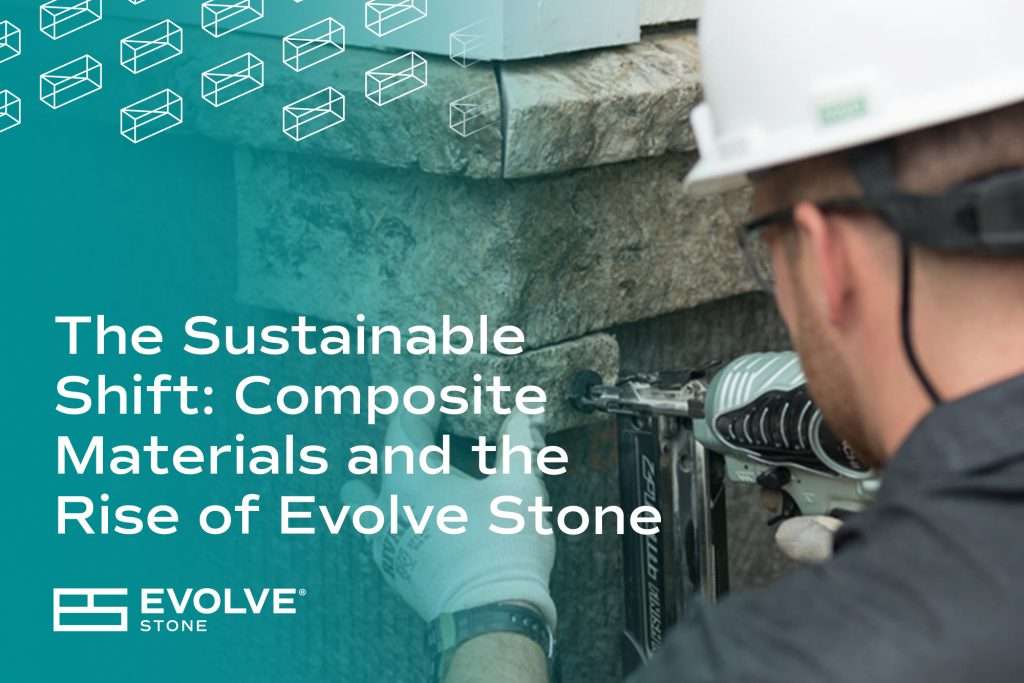
The shift toward composite materials from traditional building products represents a significant leap forward for environmental sustainability in the construction and manufacturing industries. These innovative materials, often made from a blend of recycled plastics, wood fibers, and other reclaimed components, offer a compelling alternative that addresses multiple facets of environmental concern. From mitigating climate change to conserving natural resources, the benefits are numerous and far-reaching, a fact that is powerfully demonstrated by products like Evolve Stone.
The Environmental Case for Composite Materials
One of the most critical environmental benefits of composites is their dramatically lower carbon footprint. The production of cement, a key component of concrete, is an extremely energy-intensive process. It requires immense heat, generated by burning fossil fuels, to convert limestone and clay into clinker, the foundation of cement. This process, known as calcination, is responsible for approximately 8% of the world’s annual CO2 emissions. In contrast, the manufacturing of composite materials typically demands significantly less energy and produces a fraction of the greenhouse gas emissions, positioning them as a viable solution for reducing the construction industry’s impact on the environment.

The longevity and durability of composite materials further enhance their eco-friendly profile. These materials are engineered to be exceptionally long-lasting, resisting rot, insects, and degradation from the elements. This extended lifespan reduces the need for frequent repairs or replacements, a common issue with many traditional materials. As a result, less raw material needs to be harvested or manufactured over a structure’s lifetime, conserving resources and minimizing the environmental toll associated with production cycles. This durability also translates to a reduction in construction and demolition waste, as materials don’t need to be sent to landfills as often.
Composite materials also play a vital role in circular economy principles by giving new life to waste products. Many composites, such as wood-plastic composites (WPCs), are created using a combination of sawdust and recycled plastics. This innovative upcycling process diverts materials that would otherwise end up in landfills, transforming them into valuable, high-performance products. By using reclaimed materials, the need for virgin resources is reduced, which in turn prevents the destructive extraction and processing often associated with obtaining new raw materials.
Water usage is another area where composites have a clear environmental edge. The production of traditional cement and concrete requires substantial amounts of water for both the mixing and curing processes. This contributes to water scarcity in regions where water resources are already strained. Composite manufacturing processes, on the other hand, require considerably less water, making them a more responsible choice for conserving this essential resource.
The versatility of composites also allows for the creation of innovative designs that can convincingly mimic natural materials without the environmental degradation of quarrying and mining. The extraction of natural stone or timber can lead to significant habitat destruction, soil erosion, and dust pollution. Composite alternatives preserve these natural landscapes and ecosystems, while still offering the aesthetic appeal and structural integrity of the materials they replace. Furthermore, composites can be designed with superior insulation properties, contributing to energy efficiency in buildings. Buildings with better insulation require less energy for heating and cooling, which directly reduces greenhouse gas emissions associated with energy production.
Finally, the lighter weight of many composite materials provides a significant logistical advantage. A lighter product means more units can be transported on a single truckload, which translates to a reduction in fuel consumption and the associated emissions from transportation. This efficiency is a critical factor in lowering the overall environmental footprint of a construction project from the manufacturing facility to the job site.
Evolve Stone: A Real-World Example
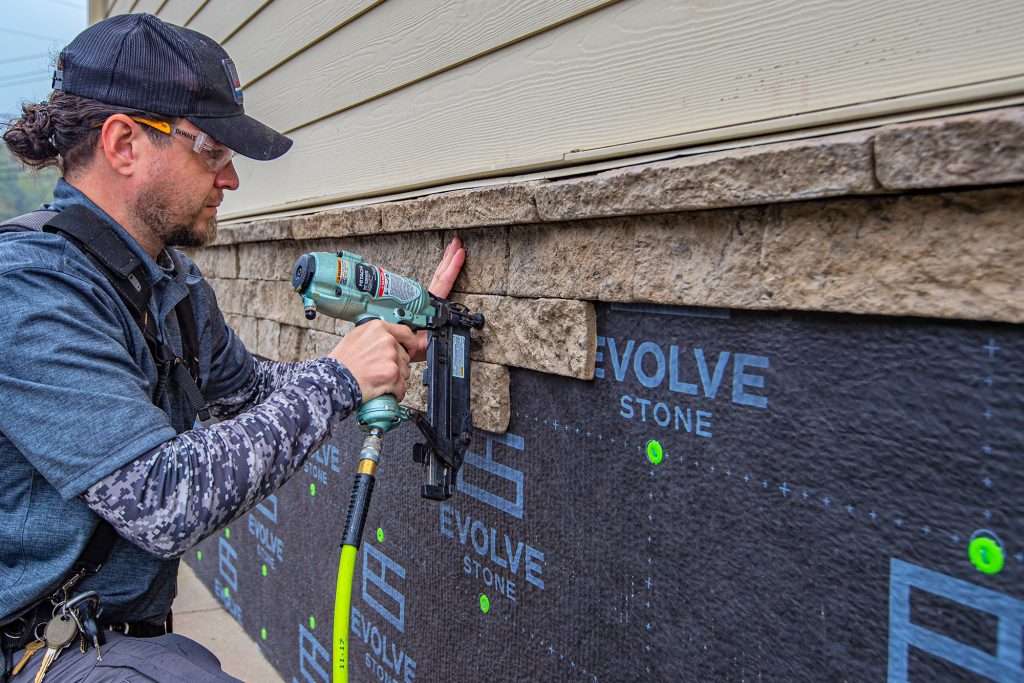
Evolve Stone is a prime example of these principles in action. As a faux stone veneer made from a patented composite material, it offers a sustainable alternative to traditional masonry. Unlike a heavy, cement-based stone veneer, Evolve Stone’s product is significantly lighter, allowing for more efficient transportation and lower fuel consumption. This lighter weight also simplifies installation, making it a viable DIY option.
The most revolutionary aspect of Evolve Stone, however, is its mortarless installation. This eliminates the need for water, sand, and cement—the very components that contribute to cement’s high carbon and water footprints. Installers can simply attach the veneer to a wall using a finish nailer, a process that is not only faster but also drastically reduces the environmental impact and mess of a traditional masonry project. This approach directly addresses the concerns of water usage and cement production emissions highlighted earlier.

Evolve Stone’s commitment to sustainability also extends to its mimicry of natural resources. By creating a beautiful, realistic faux stone, the company eliminates the need for quarrying, preserving natural stone formations and the ecosystems they support. The composite material itself is highly durable, with color infused throughout, ensuring a long lifespan and further reducing the environmental burden of replacements.
In conclusion, the shift toward composite materials like Evolve Stone represents a powerful and positive movement in the construction sector. By offering products with lower carbon emissions, reduced waste, and more efficient production and installation methods, they provide a blueprint for a more sustainable and environmentally conscious future.
Read more about Evolve Stone and their impact on the siding industry.
FAQs
Evolve Stone is a faux stone veneer made from a proprietary, composite material. This material gives the product its lightweight yet durable properties, distinguishing it from heavy, cement-based or natural stone veneers.
Evolve Stone saves significant time and resources by using a mortarless installation system. This eliminates the need for water, sand, and cement, and the associated time for mixing, applying, and curing. The product can be installed with a finish nailer, much like siding, making the process faster and less labor-intensive.
Yes. Evolve Stone is designed to be highly durable and resistant to the elements. Its color is infused throughout the composite material, which increases durability and overall performance. It’s engineered to be long-lasting, offering a robust and low-maintenance alternative to traditional stone products.
Yes, Evolve Stone is suitable for a wide range of applications, including both interior and exterior projects. Its durability and resistance to moisture make it a versatile choice for everything from fireplace surrounds and accent walls to full-scale exterior siding.